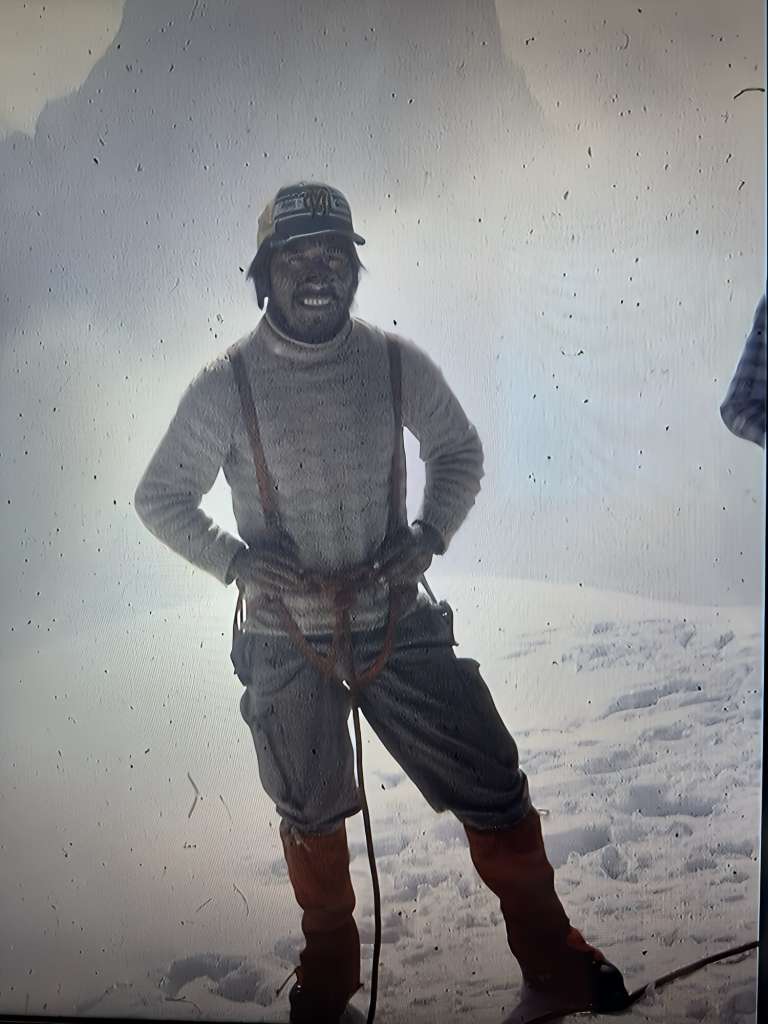
Operational Continuity Since 1975
Formed within the high-altitude environments of the Central Andes, this archive documents the operational, cultural, territorial, and expeditionary realities that shaped a pioneering generation of Peruvian mountain guides, rescue environments, expedition operators, scientific collaborations, and international mountain operations from the 1970s onward.
The Cordillera Blanca was not only a mountaineering destination. It was a living operational environment where guiding, rescue, expeditionary travel, scientific exploration, education, logistics, environmental responsibility, hospitality, and intercultural exchange converged under extreme geographic conditions. The generation that emerged from these territories helped establish Peru as one of the world’s major high-altitude expedition and mountain operation environments.
This archive preserves aspects of that operational and institutional continuity through photographs, expedition histories, rescue records, educational contributions, scientific collaborations, mountain operations, and lived territorial experience connected to the Andes and the evolution of international expedition and exploration environments in Peru.
THE CORDILLERA BLANCA GENERATION
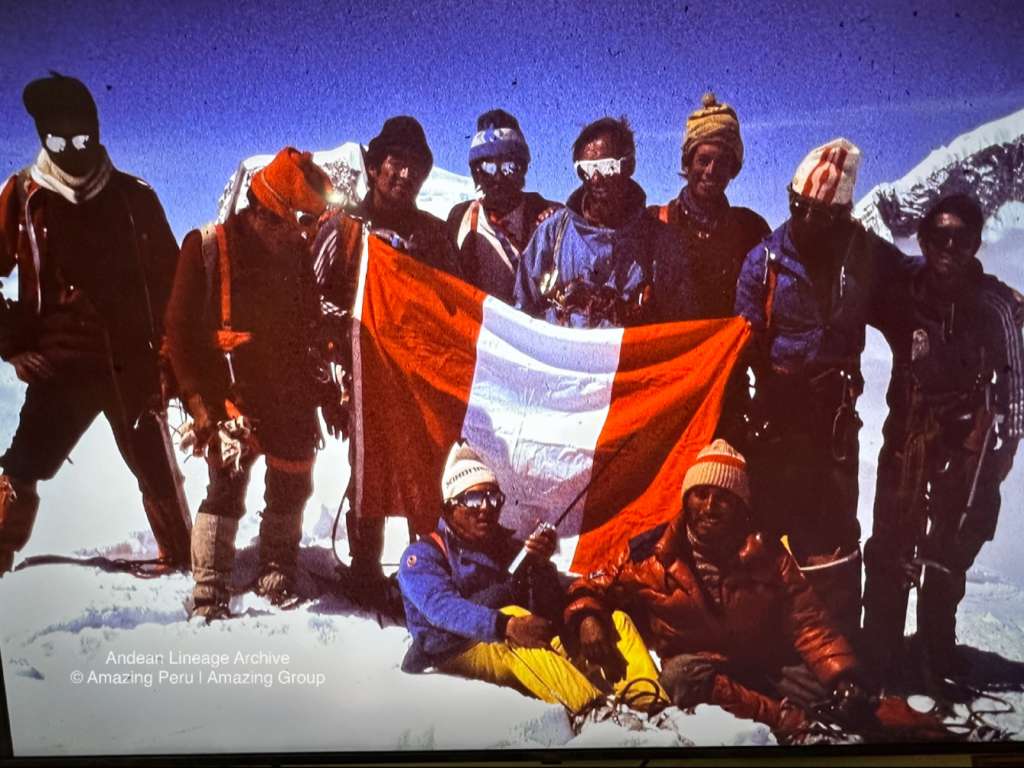
From the 1960s through the 1980s, the Cordillera Blanca became one of the world’s most important high-altitude mountain environments and the planet’s largest tropical glaciated mountain system for international expeditions, technical climbing, scientific exploration, expeditionary travel, high-altitude training, and mountain operations.
During this period, a generation of Peruvian mountain professionals emerged with deep territorial knowledge of glaciers, routes, weather systems, rescue operations, expedition logistics, and high-altitude movement. Their work supported international expeditions while helping professionalize mountain operations in Peru under complex geographic and infrastructural conditions.
The operational culture of this period was defined not only by emerging tourism economies, but by responsibility, endurance, technical competence, logistical precision, and direct engagement with extreme terrain.
These environments shaped a broader Andean operational culture where access to territory required preparation, trust, local knowledge, intercultural coordination, and long-term human relationships with mountain communities and landscapes.
EXPEDITION & RESCUE OPERATIONS
High-altitude environments required operational seriousness.
In the Andes, mountain operations historically extended beyond expedition logistics into rescue coordination, route assessment, environmental risk management, and emergency response under isolated conditions.
These realities formed part of daily operational life within the mountain territories of Ancash and the Cordillera Blanca.
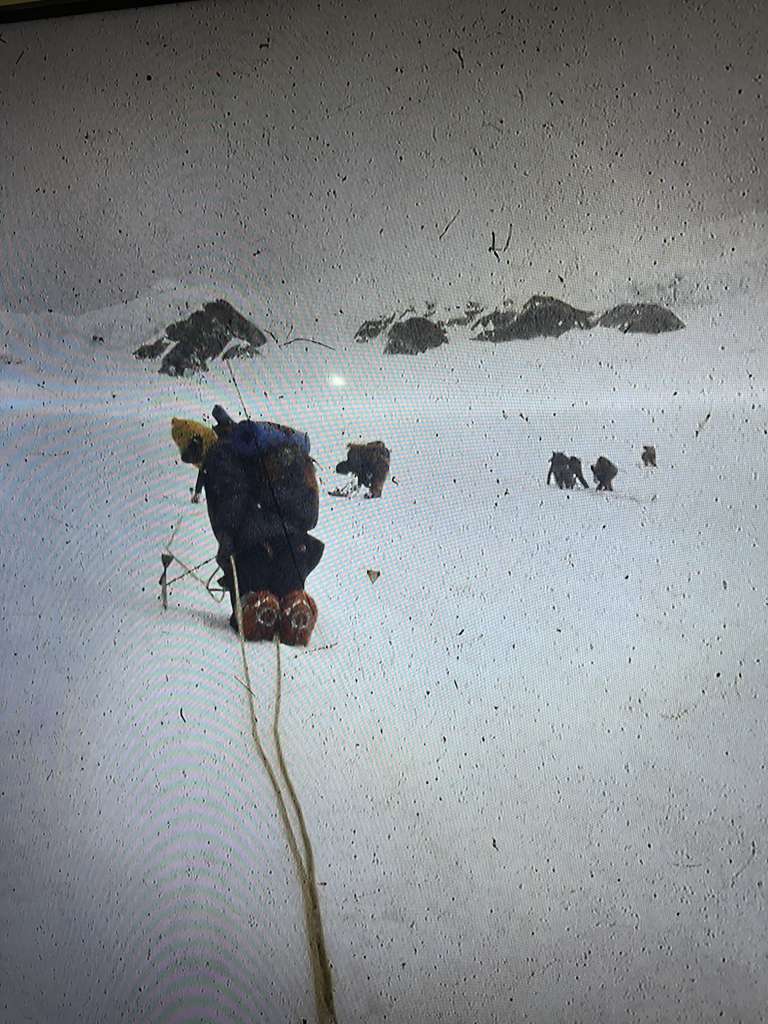
Operations during this era frequently involved:
- glacier navigation,
- remote expedition support,
- high-altitude evacuation,
- mountain rescue coordination,
- helicopter-supported rescue, access and recovery environments,
- jungle recovery logistics following aviation incidents,
- and long-duration field operations in geographically isolated territories.
This operational culture reinforced principles that continue to guide later institutional frameworks:
- duty of care.
- responsibility before access,
- environmental respect,
- logistical precision,
- and the understanding that access to territory carries permanent ethical responsibility.
The Andes were never approached as scenery alone, but as living operational territories requiring discipline, humility, preparation, and custodianship.
FILIBERTO RURUSH
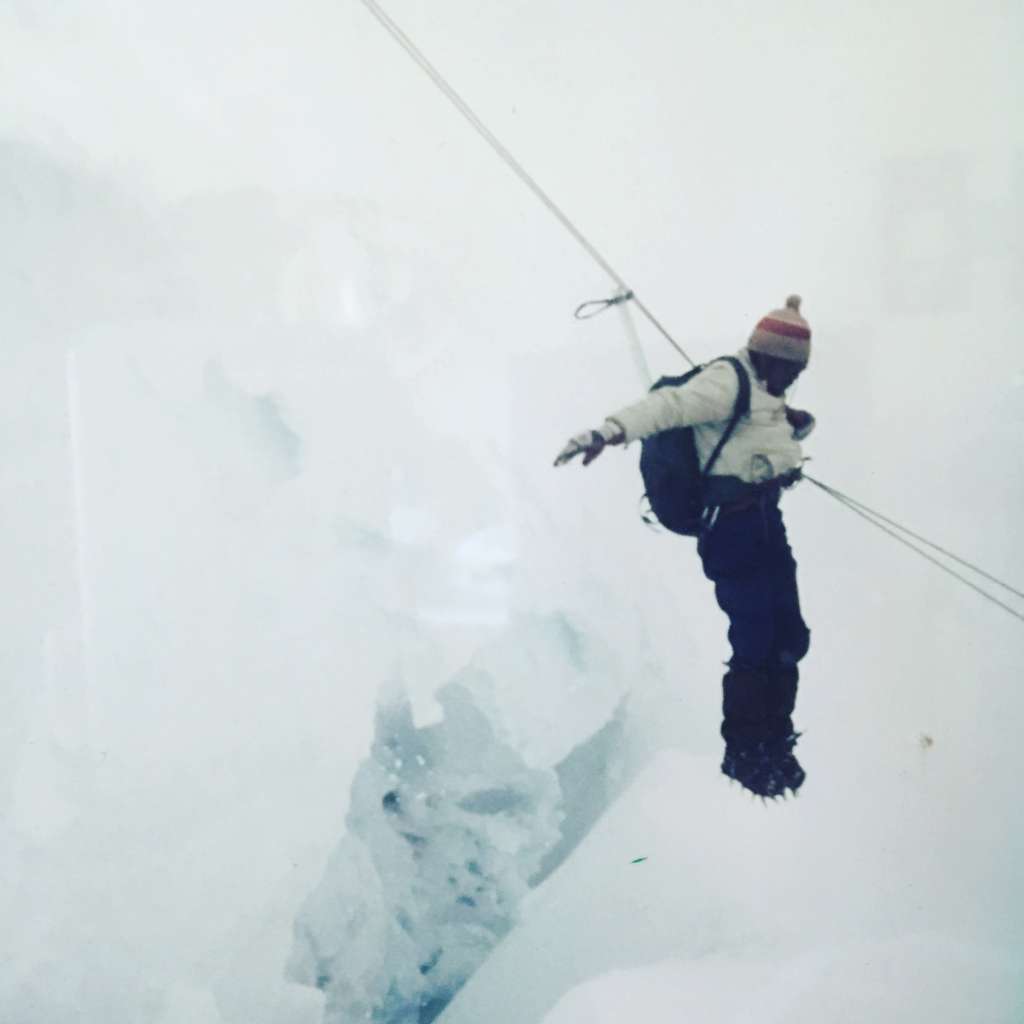
Born in Olleros, Ancash, in 1953, Filiberto Rurush Paucar belongs to the operational mountain generation associated with the formative decades of modern expeditionary, mountain-guiding, rescue, and high-altitude travel development across the Andes.
Beginning his work within Peru’s mountain and expeditionary environments in 1975, he developed operational experience during a period when mountain infrastructure, expedition logistics, territorial access systems, and rescue coordination throughout the Andes remained far more limited than today. These environments required direct territorial knowledge, environmental adaptation, long-duration field experience, and operational continuity across geographically isolated regions of Peru.
Working across the Cordillera Blanca and broader Andean territories, Filiberto Rurush formed part of the operational generation that contributed to the early development of expeditionary and adventure-travel environments across Peru and South America during their formative decades.
His operational environments evolved through mountain leadership, territorial coordination, transport systems, expedition logistics, guiding environments, scientific field support, glacier operations, and long-term relationships with international alpine and expedition communities operating throughout the Andes.
At a time when expeditionary communication systems remained limited, overland travel required long-duration coordination, and mountain access infrastructure throughout Peru was still developing, operational continuity frequently depended on local territorial knowledge, environmental awareness, intercultural relationships, and the ability to coordinate movement across geographically complex high-altitude environments.
EARLY OPERATIONAL FORMATION & TERRITORIAL CONTINUITY
Formed within the operational realities of the Andes from an early age, Filiberto Rurush developed a continuous relationship with mobility, logistical responsibility, territorial movement, and field operations from childhood onward.
Beginning independent work activities during adolescence, these early operational environments included overland transport coordination between Huaraz and Lima, airport transfers, commercial movement, vehicle operations, and logistical support connected to Andean travel environments during a period when Peru’s regional infrastructure systems remained in an early stage of development.
During the 1970s, this operational continuity progressively expanded into mountain environments associated with the Cordillera Blanca, including work connected to Huascarán National Park, expedition logistics, territorial coordination, mountain operations, and the emerging expeditionary systems developing across the Andes.
From these environments, long-term operational continuity gradually evolved through combined experience in mountain leadership, transport systems, expedition organization, high-altitude coordination, and long-duration relationships with international alpine and scientific communities operating throughout South America.
INDEPENDENT EXPEDITION & TERRITORIAL OPERATIONS
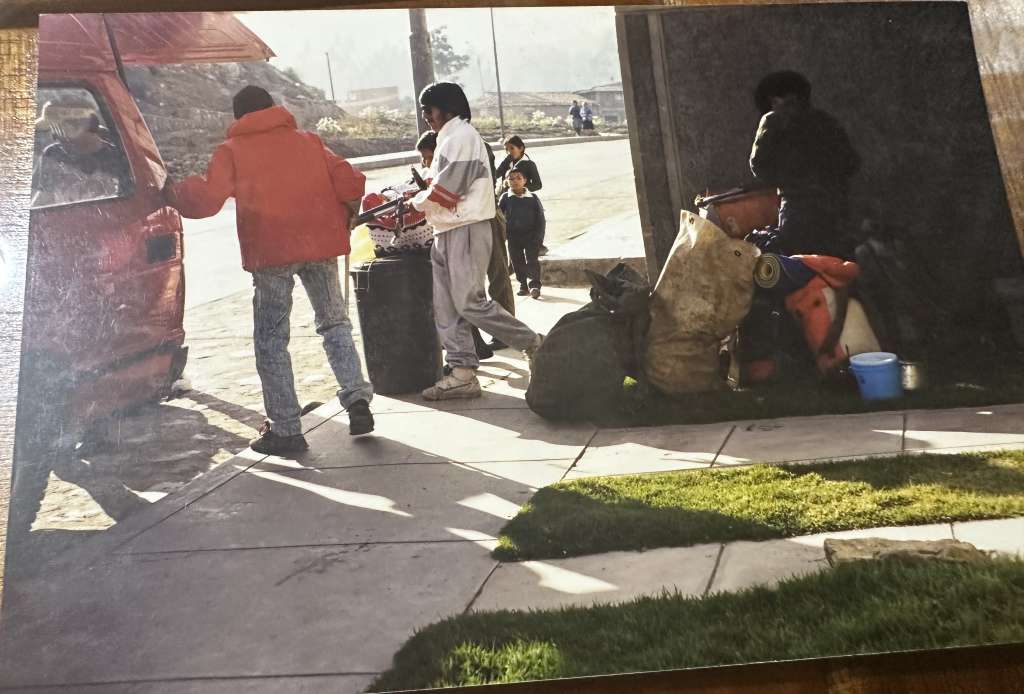
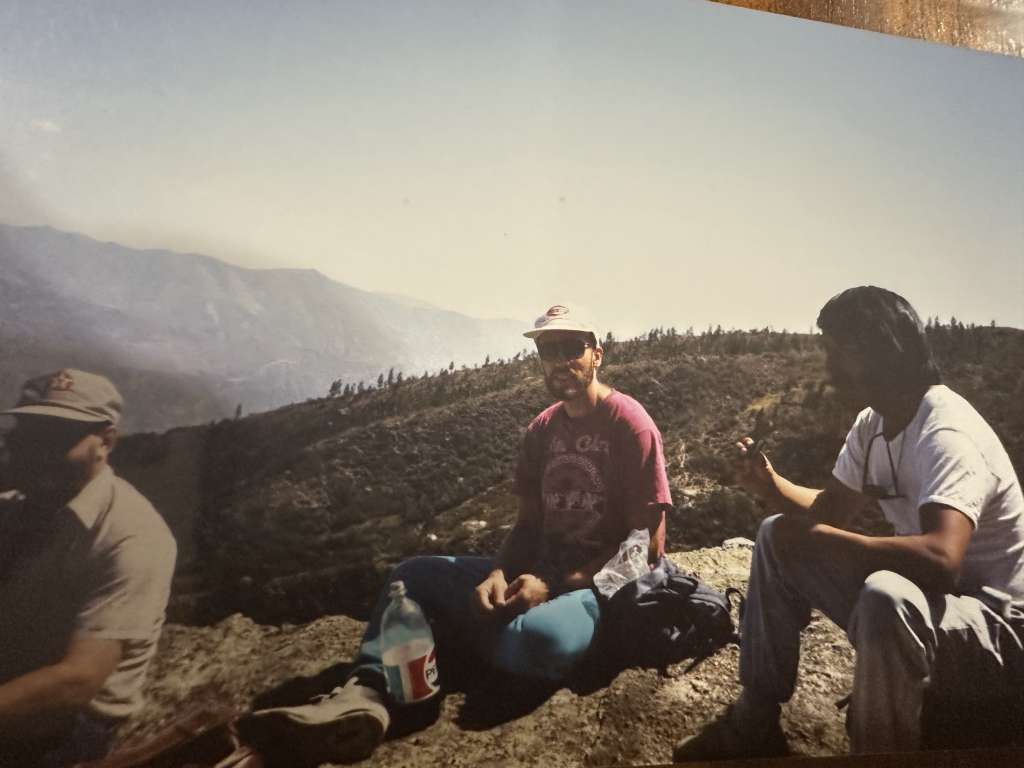
From the 1970s onward, Filiberto Rurush independently developed operational environments connected to expeditionary travel, transport systems, territorial mobility, mountain logistics, and high-altitude movement across Peru and the Andes during the formative decades of modern expeditionary development in South America.
Beginning with independently organized overland transport operations between Huaraz and Lima, airport transfers, equipment coordination, and logistical support for travellers and expeditionary groups operating within Andean territories, these operational activities progressively expanded into broader mountain and expeditionary environments connected to high-altitude exploration throughout Peru and South America.
Independent operational structures associated with Exotic Travel Adventures, alongside earlier sole-proprietor transport operations and later operational environments connected to Filiberto’s Rent a Car, formed part of a long-term continuity of independently organized expeditionary and territorial systems operating throughout the Andes since 1975.
Developed through long-standing relationships with international alpine, scientific, and expedition communities, these operational environments evolved through direct collaboration with mountaineering groups, alpine associations, scientific expeditions, returning international travelers, and high-altitude field environments operating across Peru, Bolivia, Ecuador, Chile, and Argentina.
These operational systems included mountain logistics, expedition organization, glacier operations, scientific field support, intercultural expedition environments, transport continuity, and high-altitude territorial coordination adapted to geographically isolated Andean regions.
Over subsequent decades, this operational continuity expanded across mountain guiding, rescue environments, trans-Andean expedition systems, scientific expeditions, remote territorial logistics, and long-term high-altitude operational environments connected to the broader evolution of expeditionary systems throughout South America.
Today, aspects of this operational continuity remain connected to the broader institutional and territorial systems associated with Amazing Group and Amazing Peru, reflecting a living continuity between early Andean expeditionary environments and contemporary globally operating systems rooted in operational responsibility, territorial understanding, and long-term continuity.
PROFESSIONAL MOUNTAIN-GUIDING FORMATION & OPERATIONAL ENVIRONMENTS
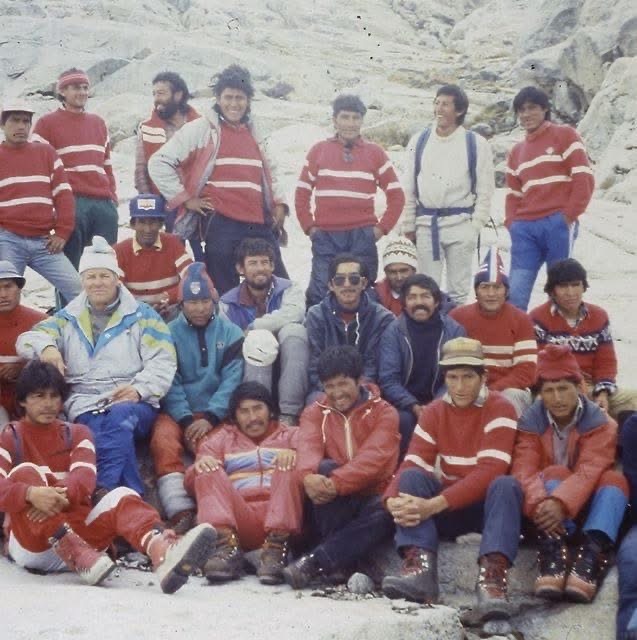
In 1982, Filiberto Rurush formed part of the first generation of formally graduated Peruvian mountain guides through the Asociación de Guías de Montaña del Perú (AGMP) during the institutional development of professional mountain guiding education in Peru and Latin America.
His professional formation developed within operational environments where mountain activity demanded technical adaptability, territorial knowledge, intercultural coordination, logistical precision, environmental judgment, and long-term responsibility under complex high-altitude conditions.
As a native Quechua speaker, his operational environments frequently involved intercultural mediation between Andean communities and international expeditionary, scientific, and travel groups operating across Peru and the broader Andes.
Alongside Spanish, aspects of his multilingual communication abilities developed organically through long-term interaction with international climbers, scientific teams, alpine associations, and expeditionary environments connected to the Andes, including working familiarity with English, French, German, and Italian.
Throughout multiple operational periods, his work included expedition leadership, mountain rescue environments, scientific field operations, technical terrain navigation, route establishment, high-altitude coordination, territorial logistics, regional expedition systems, and international mountain-guiding activity connected to the Andes and broader South American mountain territories.
These operational environments frequently required the coordination of long-duration expeditions, remote territorial access, intercultural field operations, environmental adaptation, logistical continuity, and sustained operational decision-making across geographically complex Andean regions.
He also participated in the formative development of high-mountain education in Peru as an instructor within the country’s first high-mountain and rescue training environments associated with the Peruvian police rescue school system, where early generations of mountain rescue personnel received operational instruction under high-altitude conditions.
Professional affiliations connected to international mountain-guiding environments included participation within the broader professional culture and standards associated with AGMP, UIAGM, and IFMGA mountain-guiding systems.
His operational relationship with the Andes has remained continuous across decades through ongoing expedition leadership, guiding activity, technical mountain exploration, territorial coordination, and high-altitude operational environments connected to South America’s major mountain systems.
The legacy of this operational generation was shaped not through visibility or promotion, but through long-term territorial continuity, mountain responsibility, and lived operational experience within one of the world’s great high-altitude environments.
REGIONAL EXPEDITION & TRAVEL OPERATIONS
Alongside high-altitude expedition environments in the Cordillera Blanca, operational activities gradually expanded across Peru and broader Andean territories, including Bolivia, Ecuador, Chile, and Argentina.
These environments combined mountain operations, expedition coordination, intercultural exchange, territorial logistics, and evolving forms of adventure and experiential travel during an important period in the development of international travel systems across South America.
Over time, these activities evolved into broader operational and travel environments involving international visitors, high-altitude journeys, remote territorial coordination, intercultural movement, and multi-regional expedition systems connected to the Andes and surrounding South American territories.
This continuity of operational experience remains active through ongoing exploration, guiding activity, expedition coordination, and territorial access environments connected to both mountain operations and broader international travel systems.
SELECTED OPERATIONAL CONTRIBUTIONS
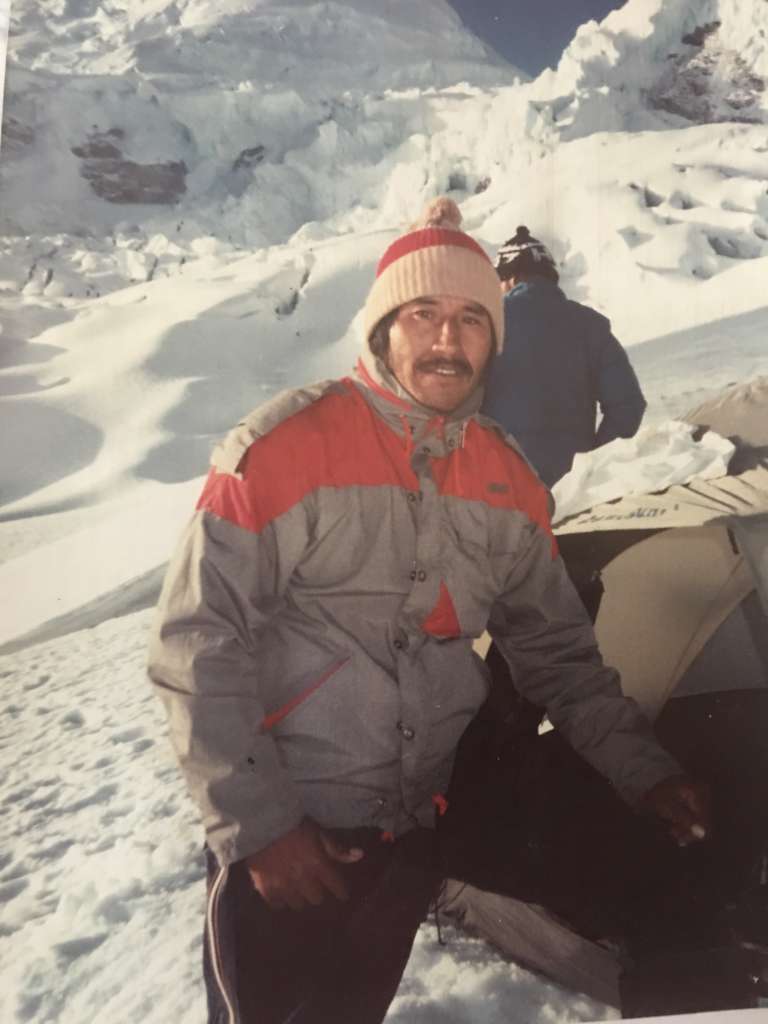
The following records reflect selected operational environments, expedition collaborations, educational contributions, rescue activities, and mountain operations connected to the Andes and related territories during the formative decades of modern mountain activity in Peru.
These records are presented as part of a broader historical context surrounding expedition systems, territorial access, mountain safety, scientific exploration, environmental responsibility, intercultural operational exchange, and the evolving development of high-altitude operational environments in the Andes.
OPERATIONAL FOUNDATIONS OF ANDEAN EXPEDITION SYSTEMS
The historical development of modern expedition and adventure-travel systems in Peru involved not only internationally visible travel brands and commercial expedition structures, but also a foundational operational mountain generation whose territorial knowledge, logistical coordination, glacier experience, mountain leadership, and high-altitude expertise formed an essential part of Andean expeditionary activity during its formative decades.
Within many early commercial and international expedition environments, local mountain professionals frequently operated as the territorial and operational infrastructure supporting high-altitude movement, route access, environmental adaptation, expedition continuity, rescue coordination, and long-duration field operations throughout the Andes.
The operational environments associated with Filiberto Rurush formed part of this broader generation of Andean mountain professionals whose work extended across glacier systems, scientific expeditions, technical alpine environments, rescue operations, and emerging expeditionary travel systems during an important period in the development of modern high-altitude travel and exploration in South America.
This generation also contributed to the institutional formation of professional mountain-guiding systems in Peru through the early development of organizations such as the Asociación de Guías de Montaña del Perú (AGMP), alongside evolving rescue protocols, glacier operations, and high-altitude expedition standards within the Cordillera Blanca and broader Andean territories.
While commercial expedition histories have often emphasized agency structures and externally visible expedition brands, the operational continuity developed by local Andean mountain professionals formed an essential part of the territorial knowledge systems that sustained the long-term growth of expeditionary and high-altitude environments across Peru and South America.
Mountain Guiding & High-Altitude Expedition Operations
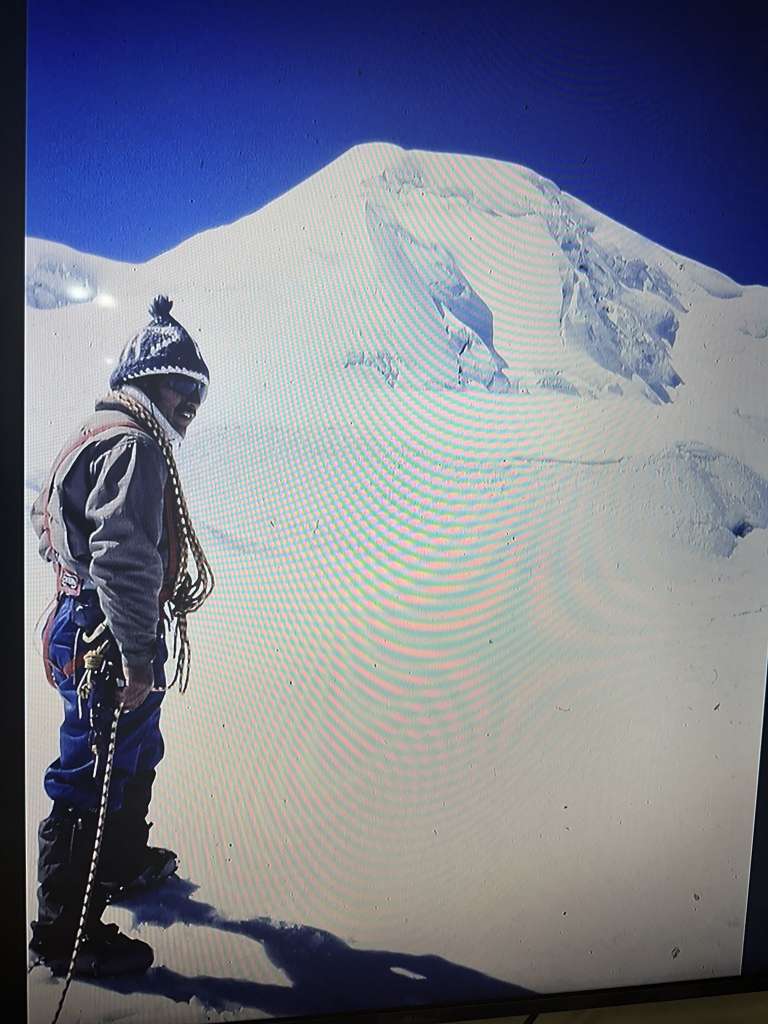
During the expansion of international alpine exploration activity in Peru throughout the 1970s and 1980s, operational environments in the Cordillera Blanca frequently depended on collaboration between international alpinists and locally formed mountain professionals whose territorial knowledge, logistical coordination, route familiarity, and high-altitude operational experience formed an essential part of expedition activity in the Andes.
Already active within the mountaineering, expedition, and emerging adventure-travel environments of the Andes by 1975, and increasingly integrated into high-altitude expedition systems during the late 1970s as part of Peru’s emerging professional mountain-guide generation, Filiberto Rurush worked within mountain operations, expedition logistics, territorial coordination, and high-altitude expedition environments with internationally recognized alpinists including René Desmaison and Nicolas Jaeger during an important period of technical mountaineering and alpine exploration in Peru.
These expeditionary environments were associated with internationally significant climbing activity, including technical glacier ascents, new route development, speed records, and major alpine expeditions connected to routes such as La Prá Desmaison on Huandoy, alongside high-altitude exploratory and scientific environments associated with French physician, alpinist, and altitude researcher Nicolas Jaeger. Jaeger became internationally recognized for his pioneering work in high-altitude physiology, including a 60-day solo stay at approximately 6,700 meters on Nevado Huascarán between July and September 1979, where he conducted physiological self-observation studies focused on hypoxia, acclimatization, and human adaptation under extreme-altitude conditions while documenting the experience through film and published field journals.
Within these collaborative expedition systems, local Andean mountain professionals played a direct operational role in the continuity, territorial adaptation, logistical coordination, route support, expedition movement, and high-altitude functionality of internationally significant mountaineering activity across Peru and the broader Andes.
Operational realities within these environments extended far beyond climbing itself, involving territorial movement, environmental adaptation, route coordination, transport organization, logistical planning, intercultural collaboration, rescue coordination, and long-duration expedition support under geographically isolated high-altitude conditions.
These operational cultures helped establish the Andes not only as an international expedition destination, but as one of the world’s major living environments for technical mountaineering, glacier exploration, scientific high-altitude observation, new route development, high-altitude expedition systems, and the formative expansion of Andean adventure-travel environments during a transformative period in global alpine history.
Huascarán Aerial & High-altitude Experimental Operations
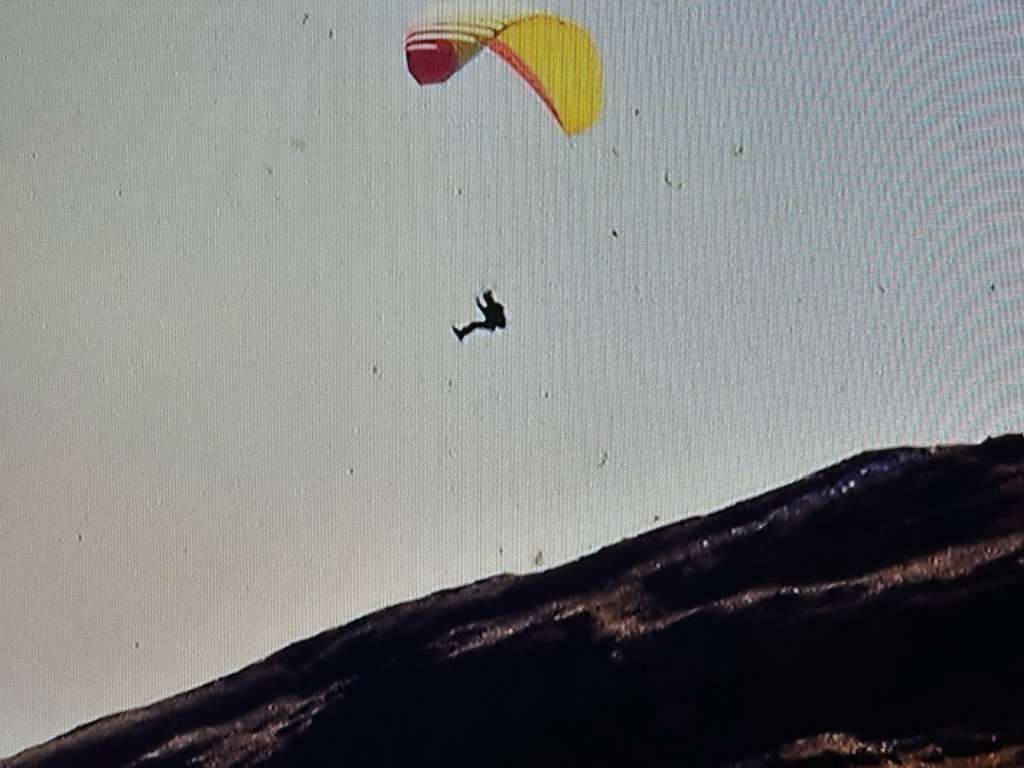
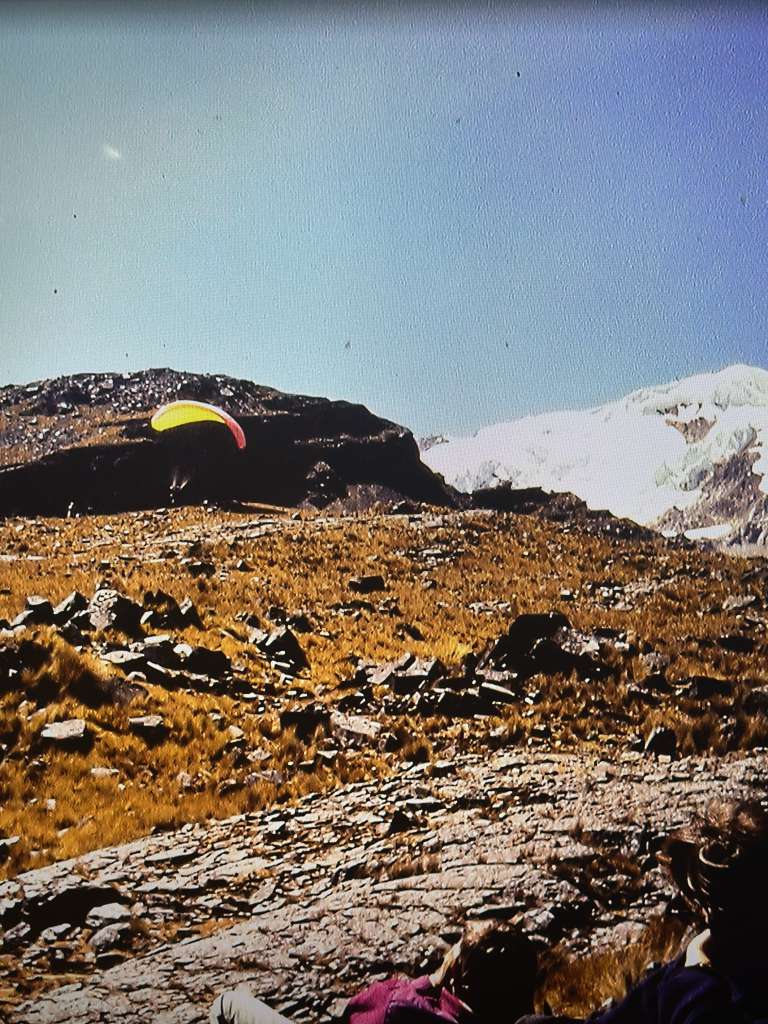
Participation in pioneering aerial exploration and high-altitude experimental environments in the Andes, including mountain operations connected to the first hang-gliding activity on Nevado Huascarán carried out alongside French mountaineer and aerial sports pioneer René Ghilini during an important period of alpine experimentation within the Cordillera Blanca.
These operational environments combined high-altitude mountain movement, glacier access, expedition coordination, terrain adaptation, and aerial exploration activity under complex alpine conditions during the formative decades of modern expedition and adventure travel development in Peru.
The integration of aerial experimentation within high-altitude Andean environments formed part of a broader period of operational innovation, technical exploration, and evolving mountain culture connected to the Andes during the international expansion of alpine and adventure activity across South America.
Related aerial and high-altitude operational environments later extended into broader Andean territories through collaborative mountain and aerial expedition activities associated with international alpine groups operating accross South America.
Scientific & Glaciological Expeditions
Participation in scientific and glaciological expeditions within the tropical glacier systems of the Andes, including high-altitude field environments connected with the early ice-core research expeditions of climate scientist Lonnie Thompson in Peru.
Working directly within these glacier environments as part of the emerging mountain-guiding and high-altitude expedition systems accompanying Thompson’s research activity in the Andes from the late 1970s onward, Filiberto Rurush participated in glacier navigation, territorial access, route coordination, expedition logistics, mountain operations, and high-altitude field environments connected to the extraction and transport of tropical ice-core samples during an important period in the development of long-term paleoclimatic and environmental research in South America.
These scientific expeditions frequently required extended movement across remote glacier terrain under extreme-altitude conditions, where local mountain knowledge, guiding experience, logistical coordination, environmental adaptation, and sustained field operations formed an essential part of accessing, transporting, preserving, and physically carrying ice-core material extracted from high-altitude Andean glaciers for international scientific research.
Operational realities within these environments extended beyond expedition movement itself, involving direct participation in glacier-based field logistics, high-altitude transport systems, environmental adaptation, and the movement and preservation of glaciological ice-core archives preserving long-term records of climatic and environmental history within the tropical glaciers of the Andes during the formative decades of tropical glaciological research in Peru.
At a time when climate change and glacier retreat had not yet entered broader global public awareness, these high-altitude scientific environments formed part of some of the earliest long-term climatic and glaciological observation systems operating within the tropical Andes.
The integration of scientific exploration within high-altitude operational systems formed part of a broader relationship between the Andes, glaciological research, climate observation, mountain-guiding environments, and international scientific exploration during an important period of environmental field research in tropical mountain regions.
MOUNTAIN RESCUE & RECOVERY OPERATIONS IN THE ANDES AND AMAZON
Participation in mountain rescue and recovery operations across the Andes, the Cordillera Blanca, and remote Amazonian territories under extreme environmental conditions requiring technical judgment, terrain familiarity, glacier navigation, environmental assessment, and rapid operational decision-making within complex mountain environments.
These rescue environments formed part of a lived operational culture during a period when infrastructure, communication systems, emergency response capacity, and territorial access throughout remote high-altitude and jungle regions remained highly limited.
Rescue activity during this period included operational environments connected to international alpine expeditions in the Cordillera Blanca, including recovery operations associated with the north face of Nevado Alpamayo during an important era of technical climbing activity linked to the legacy of Italian alpinist Renato Casarotto and subsequent alpine attempts by fellow mountaineers seeking to repeat and accelerate major technical routes under extreme mountain conditions.
These recovery environments required glacier access, technical terrain movement, high-altitude coordination, environmental assessment, and sustained field operations under physically demanding and geographically isolated alpine conditions.
Additional rescue and recovery operations during this period also included high-altitude rescue environments associated with Tocllaraju in the Cordillera Blanca in 1983, reinforcing the continuous operational realities surrounding technical climbing, glacier movement, mountain safety, and expedition activity within the Andes.
Operational rescue activity also extended beyond glacier environments into remote aviation recovery operations in the Peruvian Amazon, including participation in recovery environments associated with the Expreso Aéreo aviation disaster in Tingo Maria (1994), where mountain and expedition professionals participated in helicopter-supported recovery environments within isolated tropical terrain requiring aerial access coordination, route opening, emergency field logistics, temporary landing-zone preparation, and sustained recovery operations under extremely difficult environmental conditions.
Operational realities within these rescue and recovery environments frequently extended beyond emergency response itself, involving territorial adaptation, environmental risk management, logistical continuity, helicopter-supported access systems, and sustained field operations across remote Andean and Amazonian territories.
The experience of mountain rescue and recovery operations reinforced a long-standing operational ethics centered on responsibility, preparedness, territorial respect, technical discipline, and duty of care within extreme environments.
OPERATIONS DURING PERIODS OF NATIONAL INSTABILITY
Some mountain expeditions and travel operations during the 1980s and early 1990s took place during a specific period of national instability and internal conflict in Peru, requiring heightened responsibility, territorial judgment, operational adaptability, and continuous attention to the safety and movement of international expeditionary and travel groups operating within remote Andean environments.
Working directly within these territories as a mountain guide, expedition organizer, and operational field leader, Filiberto Rurush coordinated complex expeditionary and travel environments involving route planning, territorial movement, logistical organization, intercultural negotiation, mountain safety, and responsibility for the continuity and protection of international groups operating under sensitive conditions.
These operational environments demanded calm decision-making, local territorial knowledge, discretion, preparedness, and the ability to navigate rapidly changing circumstances across both mountain and populated regions during a particularly sensitive chapter in Peru’s history.
Operational realities during these years frequently extended beyond expedition logistics alone, involving route adaptation, situational assessment, territorial coordination, safety planning, and sustained responsibility for the continuity and movement of travelers operating across remote Andean territories.
The experience of operating within these environments reinforced a long-standing operational ethics centered on duty of care, responsibility, territorial respect, preparedness, discretion, and the protection of both people and mountain environments.
TRANS-ANDEAN EXPEDITION & OPERATIONAL LEADERSHIP
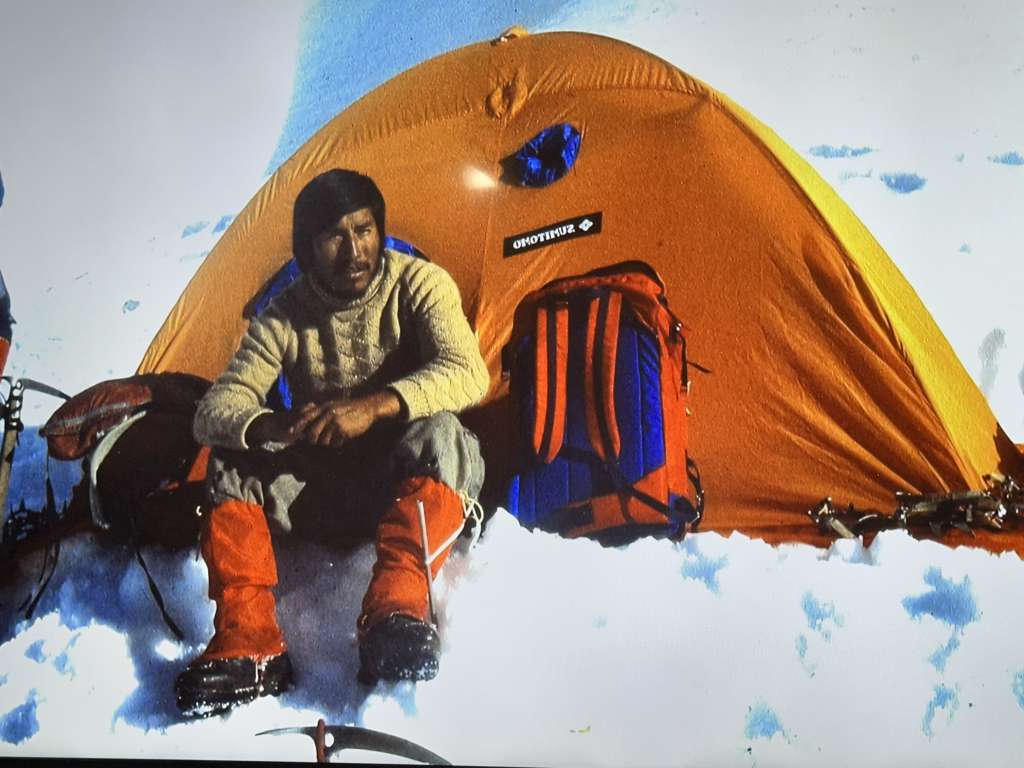
Over multiple decades, Filiberto Rurush participated in mountain-guiding, expeditionary, and high-altitude operational environments extending beyond Peru into broader Andean territories including Bolivia, Ecuador, Chile, and Argentina during an important period in the evolution of modern alpine exploration and expeditionary travel systems across South America.
Operating across geographically diverse high-altitude regions, these environments involved expedition leadership, mountain guiding, territorial coordination, route planning, logistical continuity, glacier movement, environmental adaptation, and the management of international mountain groups operating within complex Andean terrain conditions.
These operational environments formed part of a broader era of trans-Andean alpine exploration during which mountain professionals associated with the Cordillera Blanca progressively expanded operational activity across multiple South American mountain systems, contributing to the continuity of expeditionary movement and high-altitude operational knowledge throughout the Andes.
The experience developed across diverse Andean environments contributed to a broader operational understanding of altitude systems, expedition logistics, intercultural field coordination, mountain safety, environmental adaptation, and regional high-altitude access across South America.
CONTINENTAL ALPINE ASCENTS & HIGH-ALTITUDE ENVIRONMENTS
Over subsequent decades, mountain-guiding activity, expeditionary operations, and high-altitude exploration environments included ascents, territorial movement, and operational continuity across major alpine systems throughout multiple Andean regions of South America.
These environments encompassed mountain operations and expeditionary activity across glacier systems, volcanic environments, technical alpine terrain, and major high-altitude summits within Peru, Bolivia, Ecuador, Argentina, and Chile, forming part of a continuous relationship with South America’s principal mountain territories.
Mountain environments associated with this operational trajectory include:
Peru
Huandoy Norte, Caraz I, Alpamayo, Artesonraju, Ranrapalca, Huascarán, Chopicalqui, and additional peaks throughout the Cordillera Blanca.
Bolivia
Illampu, Illimani, Sajama, Condoriri, and Huayna Potosí.
Ecuador
Chimborazo, Cotopaxi, and Cayambe.
Argentina
Aconcagua, including both the Normal Route and Polish Route.
Chile
Ojos del Salado.
These operational environments formed part of an ongoing relationship with high-altitude South American mountain systems and contributed to a broader understanding of expedition logistics, altitude adaptation, mountain leadership, glacier operations, and Andean alpine cultures across geographically diverse territories.
INTERNATIONAL HIGH-ALTITUDE TRAINING ENVIRONMENTS
Operational participation in mountain and high-altitude training environments also included collaboration with European military and alpine personnel operating under Andean terrain and glacier conditions.
These environments incorporated high-altitude mountain-guiding and expeditionary operations associated with international alpine training expeditions in the Andes, including the successful ascent of Huascarán during the Austrian Army High-Altitude Training Expedition of 1983 involving French mountain guide Michel Barras.
The operational structure of these expeditions incorporated local high-altitude expertise associated with territorial familiarity, glacier movement, environmental adaptation, route knowledge, mountain safety, logistical coordination, and sustained operational continuity under complex alpine conditions within the Cordillera Blanca.
These environments reflected the international role of the Andes as one of the world’s major territories for alpine preparation, endurance, altitude adaptation, glacier operations, expeditionary training, and technical mountain development under extreme high-altitude conditions.
Through these trans-Andean operational environments, mountain professionals associated with the Cordillera Blanca contributed not only to expeditionary activity within Peru, but to the broader continuity of high-altitude operational culture, mountain-guiding environments, and alpine exploration systems developing across South America during the late twentieth century.
PROTECTED TERRITORY & ENVIRONMENTAL OPERATIONS
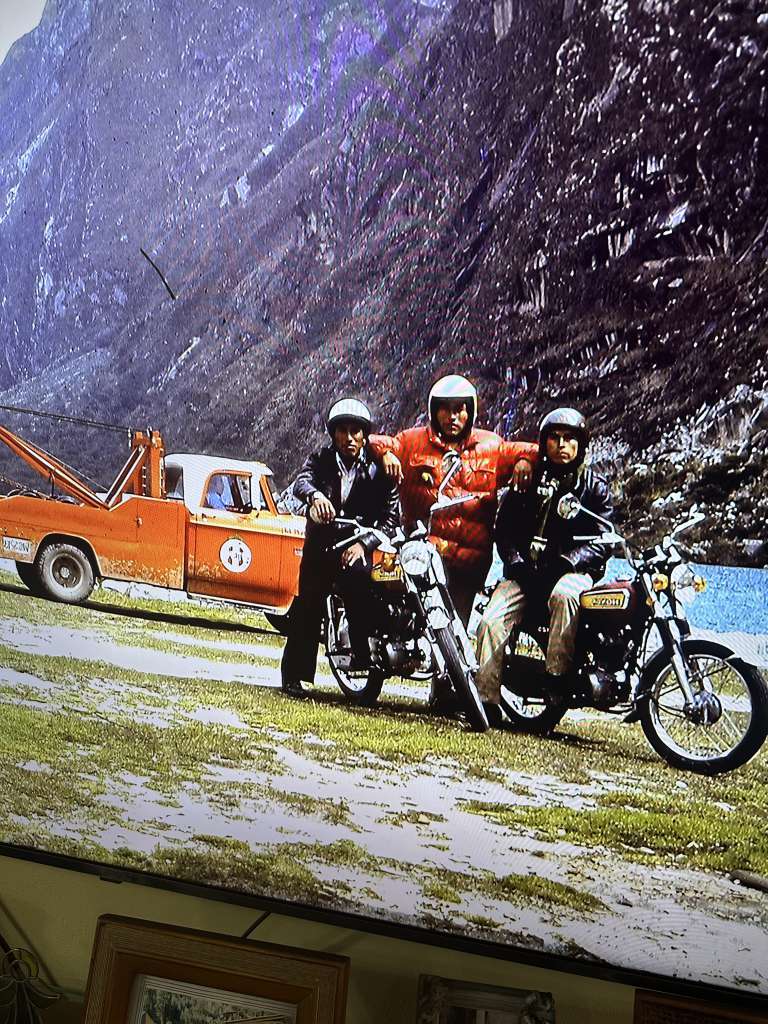
Operational experience also included work connected to protected mountain territories and environmental environments within Ancash, including service within operational environments associated with Huascarán National Park and broader territorial coordination activities linked to high-altitude access, mountain operations, expeditionary movement, environmental responsibility, and protected mountain environments within the Cordillera Blanca.
These operational environments developed during an important period in the evolving relationship between conservation, mountain access, expeditionary activity, and protected high-altitude territories in the Andes, where environmental adaptation, territorial knowledge, and long-duration field experience formed an essential part of operational continuity.
Working within glacier systems, protected mountain landscapes, and geographically isolated Andean territories reinforced long-term familiarity with high-altitude ecosystems, environmental conditions, territorial stewardship, mountain environments, and the operational realities associated with movement and human activity within fragile alpine territories.
Operational experience connected to Huascarán National Park also contributed to early territorial familiarity with protected mountain environments, environmental observation, glacier territories, route systems, high-altitude flora and fauna, and the relationship between conservation and human activity within the Andes.
Operational environments additionally included work connected to territorial communication and regional coordination activities associated with Peru’s Ministry of Agriculture, including responsibilities involving rural Andean communities, intercultural territorial coordination, environmental field environments, and regional communication systems developed during an important period in the evolution of territorial and environmental management in Peru.
These institutional and territorial environments included technical training experiences associated with Spanish environmental and agricultural professionals, contributing to long-term familiarity with environmental observation, mountain ecosystems, territorial communication, high-altitude biodiversity, and the relationship between Andean communities, protected landscapes, and mountain environments throughout the Cordillera Blanca.
These experiences contributed to a broader operational understanding of the relationship between mountain environments, conservation, territorial responsibility, expeditionary access, environmental continuity, and high-altitude operational environments across the Andes.
Operational continuity within these protected territories formed part of a lived environmental relationship with the Cordillera Blanca extending across decades of mountain activity, expeditionary operations, glacier environments, territorial coordination, and high-altitude movement within one of the world’s most important tropical mountain ecosystems.
INFRASTRUCTURE, ENERGY & REMOTE ACCESS OPERATIONS
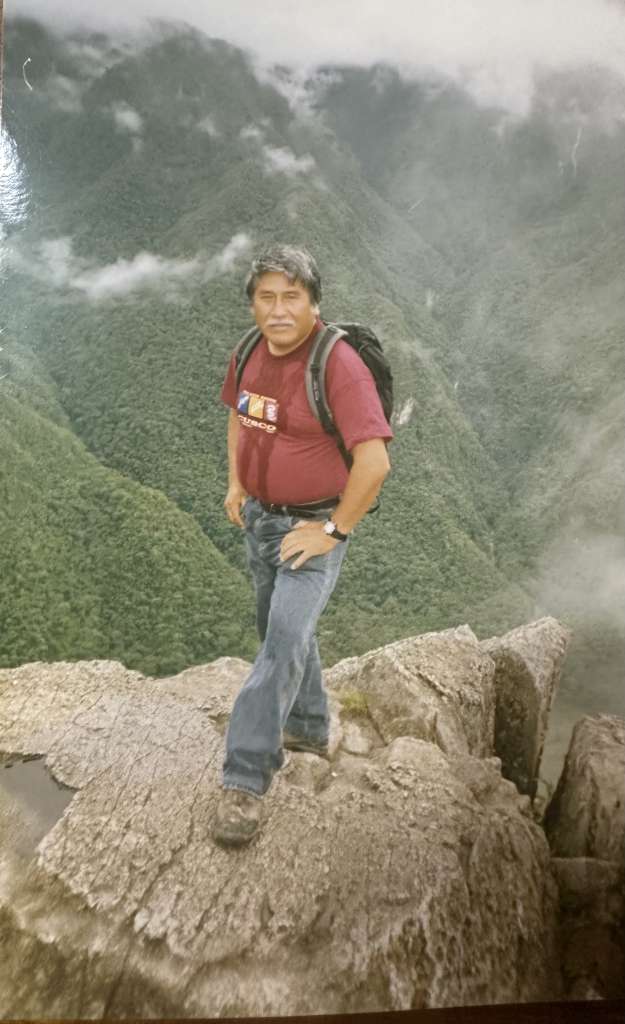
Operational knowledge developed through mountain, expeditionary, and high-altitude environments later extended into remote-access, environmental, energy, mining, drilling, and infrastructure contexts operating within geographically complex Andean territories.
These environments involved territorial coordination, route establishment, helicopter-access logistics, field movement, environmental adaptation, remote-terrain operations, and high-altitude logistical support for organizations and technical teams working in isolated mountain regions.
Activities included operational environments connected to energy, mining, drilling, and environmental fieldwork, including work associated with organizations such as Oxy, Barrick, Antamina, Engie, Andes Drilling, Boart Longyear, and Klohn Crippen Berger.
The significance of these activities rests not in the industries themselves, but in the transfer of mountain-based operational knowledge into complex territorial environments requiring access, safety, environmental awareness, logistical precision, and sustained coordination under remote Andean conditions.
Early Experiential & High-Altitude Hospitality Environments
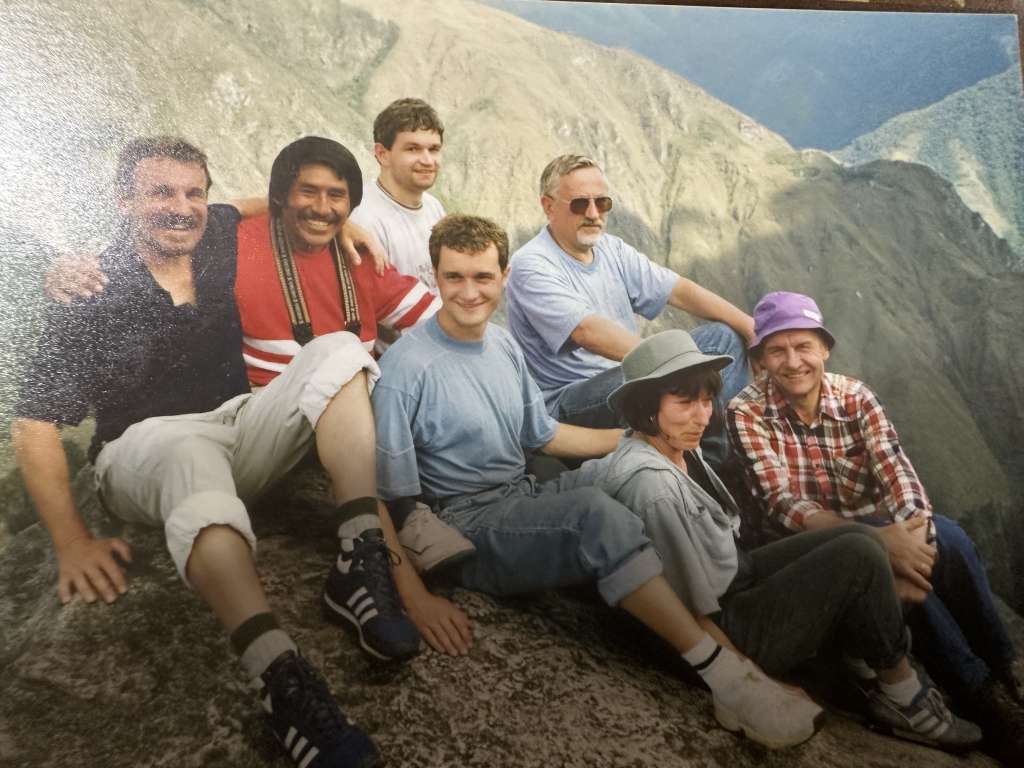
Alongside mountain operations and expeditionary environments, aspects of these early travel experiences also incorporated forms of intercultural exchange, hospitality coordination, and relationship-based travel environments connected to Peru’s evolving international adventure-travel, cultural-travel, and expedition landscape during the 1970s and 1980s.
Operational environments during this period frequently involved the integration of mountain expeditions with hospitality infrastructures associated with major hotels, regional travel environments, cultural itineraries, and international visitors operating throughout Peru during the formative decades of modern expeditionary, cultural, and adventure-travel development.
These environments also included forms of cultural exchange centered on shared meals, local participation, regional traditions, family environments, and direct interaction between international travelers and Andean communities throughout the Cordillera Blanca, Cusco, and broader Peruvian territories.
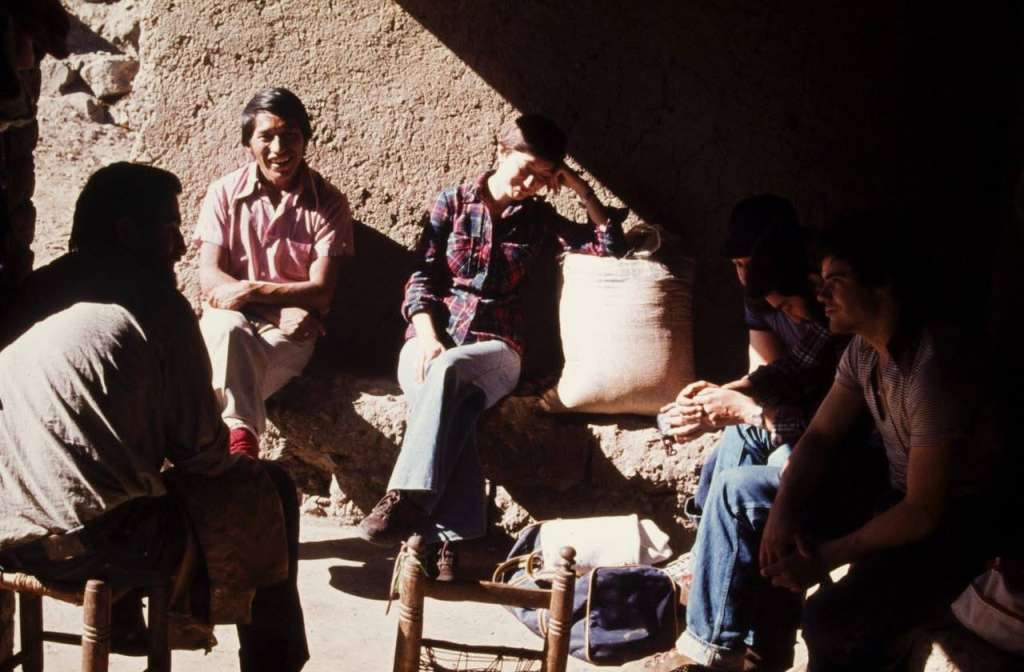
Communal hospitality environments associated with expeditionary and mountain culture during this period frequently included shared gatherings, regional celebrations, Pachamanca traditions, farewell environments, and long-term interpersonal relationships between mountain professionals, porters, muleteers, cooks, local families, expedition teams, and international travelers operating across the Andes.
Unlike more conventional forms of tourism, many mountain and expeditionary environments operating throughout the Andes unfolded through long-duration shared operational experiences requiring sustained proximity, cooperation, trust, environmental adaptation, and collective responsibility under high-altitude conditions.
Extended trekking and climbing environments frequently involved communal expedition life centered around shared camps, logistical collaboration, route movement, environmental exposure, technical coordination, and long-term interpersonal interaction between mountain professionals, local communities, expedition teams, porters, muleteers, cooks, and international travelers operating within geographically isolated territories.
Within these environments, relationships were often shaped through mutual dependence, intercultural exchange, collective problem-solving, shared environmental exposure, and operational trust developed under demanding mountain conditions where coordination, responsibility, and human reliability formed an essential part of expedition continuity.
Such experiences reflected an early lived form of experiential and relationship-based travel rooted in hospitality, intercultural exchange, environmental immersion, communal expedition life, and long-term human connection between people, landscapes, and living cultural environments within the Andes long before such concepts became formalized within contemporary tourism language.
FIRST PERUVIAN POLICE RESCUE DIVISION TRAINING & INSTITUTIONAL FORMATION ENVIRONMENTS
Participation in the formative development of high-altitude operational and mountain-rescue training environments in Peru through long-term instructional involvement associated with early mountain and rescue training systems connected to the Peruvian police rescue division during an important period in the institutional evolution of mountain operations and rescue preparedness in the Andes.
These operational and instructional environments included both field-based and theoretical training activities developed under real mountain conditions within the Cordillera Blanca, where rescue personnel received operational instruction associated with glacier movement, mountain safety, environmental adaptation, rescue coordination, route systems, technical terrain movement, and high-altitude operational continuity under complex Andean conditions.
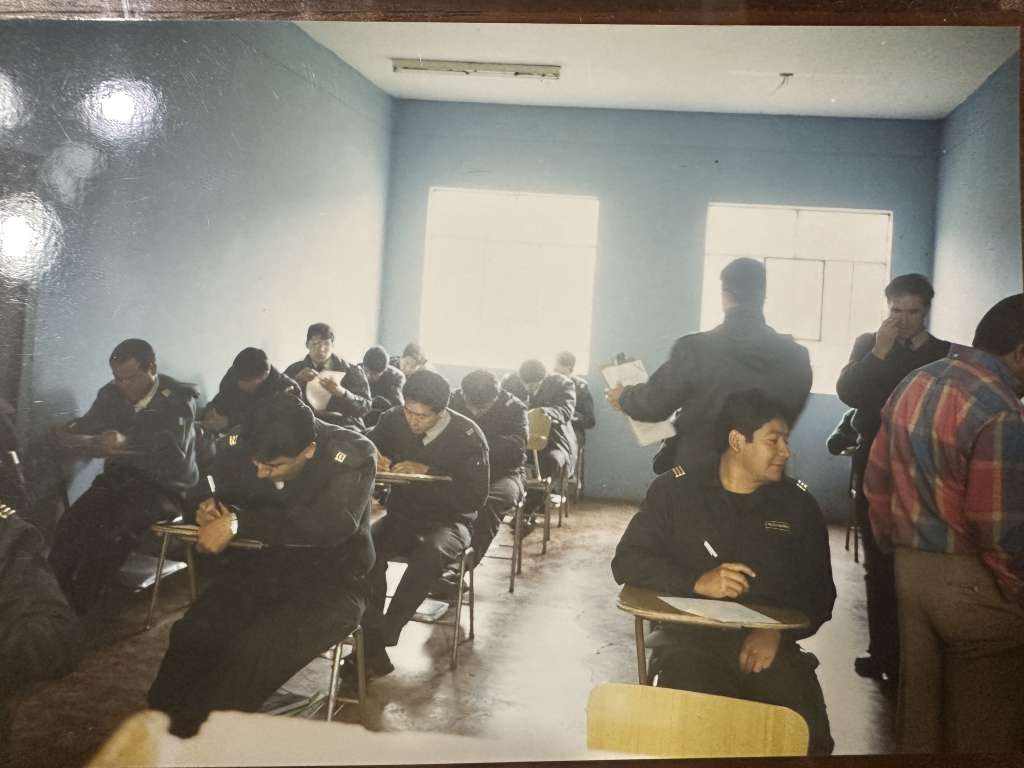
Instructional participation within these environments extended across sustained outdoor rescue and mountain-training activities involving practical field instruction, expeditionary preparation, operational simulation, technical rescue environments, glacier movement, and high-altitude operational training developed under real mountain conditions within the Cordillera Blanca.
.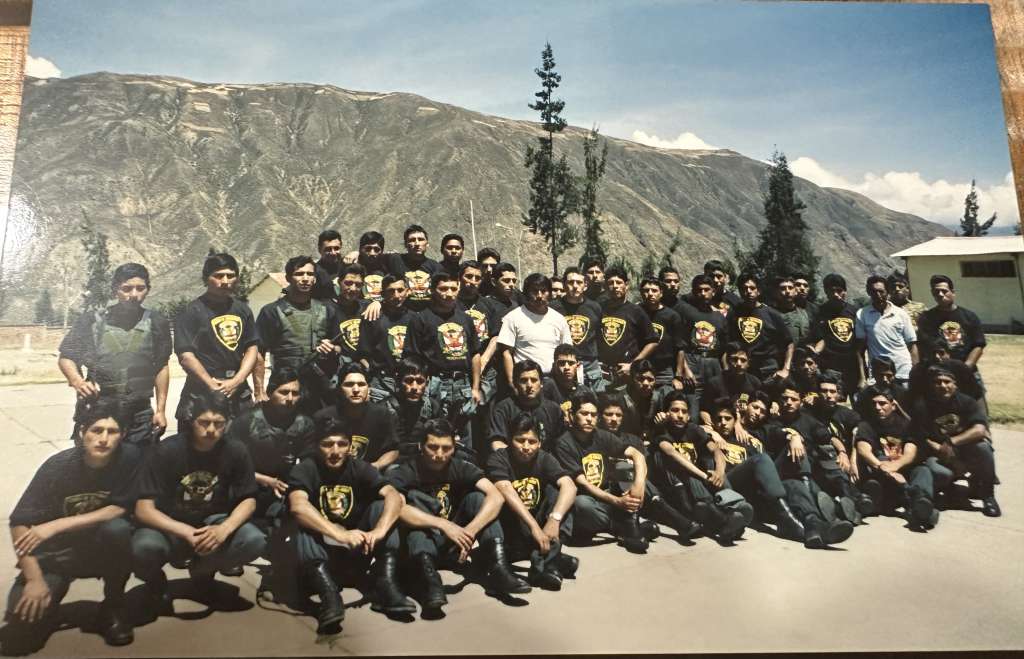
Filiberto Rurush – Instructor of Rescue Police DivisionThese formative institutional environments formed part of the broader operational generation responsible for shaping aspects of mountain-guiding culture, rescue systems, territorial coordination, expeditionary operations, and high-altitude operational environments throughout Peru during the formative decades of modern mountain and adventure-travel development in the Andes.
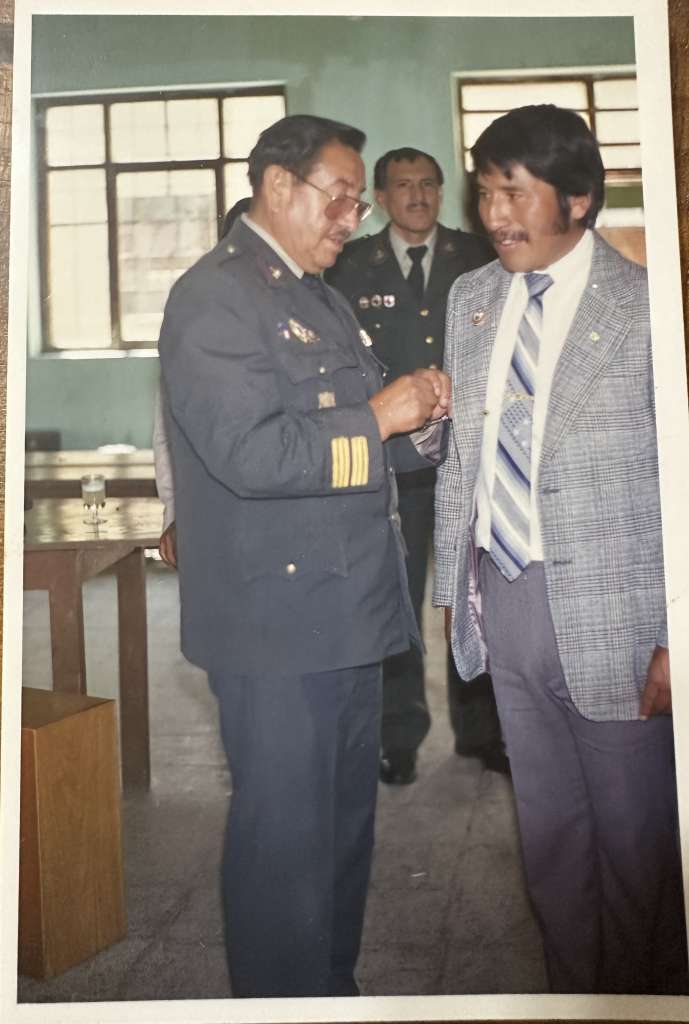
These formative institutional environments formed part of the broader operational generation responsible for shaping aspects of mountain-guiding culture, rescue systems, territorial coordination, expeditionary operations, and high-altitude operational environments throughout Peru during the formative decades of modern mountain and adventure-travel development in the Andes.
HELICOPTER OPERATIONS, REMOTE ACCESS & TERRITORIAL COORDINATION
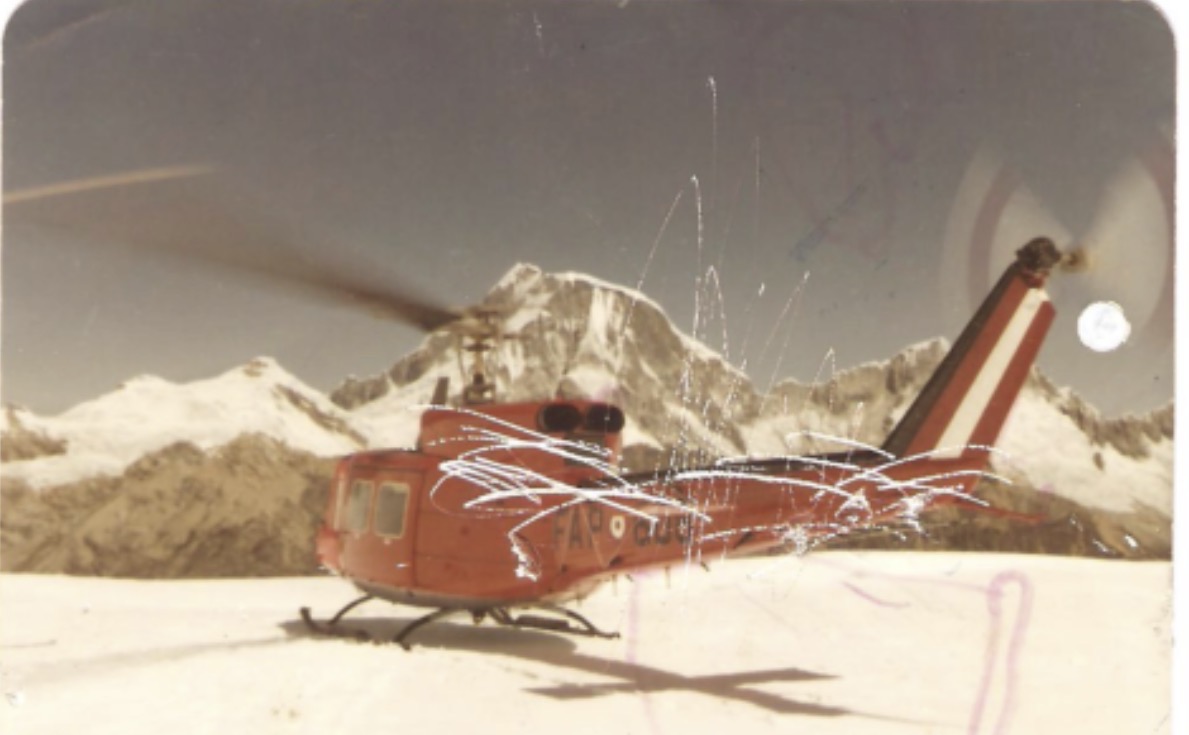
Operational experience also included helicopter-supported rescue, mountain-access, and remote-territory operational environments associated with high-altitude access, emergency response, terrain assessment, logistical continuity, expeditionary movement, and field coordination across geographically complex environments throughout the Andes.
These activities involved territorial reconnaissance for helicopter-access environments, route evaluation, remote landing coordination, high-altitude operational support, rescue-related field movement, and technical familiarity with mountain terrain under rapidly changing environmental and climatic conditions.
Additional operational experience included helicopter-related rescue training developed in collaboration with Peruvian Air Force environments associated with mountain rescue and high-altitude emergency response systems operating within the Andes.
These operational environments also included helicopter-supported rescue activity connected to high-altitude emergency environments in the Cordillera Blanca, including rescue operations associated with Nevado Tocllaraju.
Operational environments associated with helicopter-supported territorial coordination also extended into remote jungle regions of Peru, including logistical and field-access environments connected to Oxy petroleum exploration activities operating within geographically isolated territories of San Martín and Tarapoto.
Operational realities associated with these environments frequently extended beyond high-altitude mountain territories into geographically isolated jungle and desert regions requiring independent territorial assessment, adaptive field coordination, remote-access logistics, and emergency operational continuity under complex environmental conditions.
These operational environments also included aviation recovery and remote-territory coordination activities associated with aircraft incidents in isolated jungle territories, including recovery operations connected to the 1994 Expreso Aéreo aviation incident in Tingo María.
Such multi-territorial operational environments reinforced broader familiarity with helicopter-supported rescue systems, remote-access coordination, environmental adaptation, terrain evaluation, expeditionary logistics, and emergency operational continuity across diverse South American geographies.
Helicopter-supported operational activity within these environments formed part of a broader period in which mountain professionals operating throughout Peru frequently adapted expeditionary and high-altitude operational knowledge to remote-access, rescue, aviation, and geographically isolated field environments under demanding territorial conditions.
INTERNATIONAL & INSTITUTIONAL ENVIRONMENTS
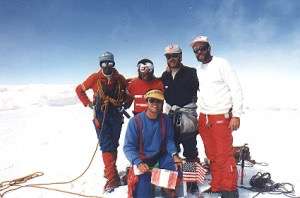
Throughout multiple operational periods connected to the Andes and international expeditionary environments, mountain operations frequently unfolded within broader international circles associated with diplomacy, science, aviation, publishing, exploration, business, alpine culture, and institutional leadership operating across Peru and South America.
These operational environments included interaction with international expeditionary communities, scientific researchers, diplomatic and aviation environments, alpine associations, publishing circles, and globally connected travelers operating within high-altitude and geographically remote Andean territories during the formative decades of modern expeditionary and mountain activity in Peru.
Operational environments associated with these periods included interactions connected to international aviation and travel environments operating in Peru, including those associated with Air France leadership through François Lafaye, Evian and related international circles, the German Alpine Club (DAV), Spanish mountain writer Isidoro Cubillas, international expeditionary figures, scientific teams, and globally connected alpine and private-sector environments operating throughout the Andes.
Such environments reflected the role of the Andes during this era as an important meeting ground for scientific exploration, intercultural exchange, alpine collaboration, expeditionary movement, and international operational continuity across geographically complex mountain territories.
Aspects of this Andean mountain continuity also remained connected to broader international alpine environments through encounters associated with Chamonix, Mont Blanc, and wider European mountaineering communities during the “From the Andes to the Alps” environments connected to Mariela Rurush and Amazing Group, including longstanding relationships developed through decades of international alpine and expeditionary continuity between the Andes and European mountain environments.
These environments also included encounters connected to historical alpine relationships associated with figures such as René Ghilini, Chamonix guiding environments, Alpes–Andes mountain continuities, and broader forms of mountaineering and high-altitude cultural exchange across generations.
These continuities reflect enduring relationships between Peruvian high-altitude guiding traditions and broader global mountain networks across generations, including continued recognition of Andean operational experience within international alpine and expeditionary environments.
Such operational and cultural continuities also reflect the longstanding integration of Peruvian mountain culture within wider international high-altitude knowledge environments extending across the Andes, the Alps, and broader global mountain territories.
INTERNATIONAL RECOGNITION & PROFESSIONAL ENVIRONMENTS
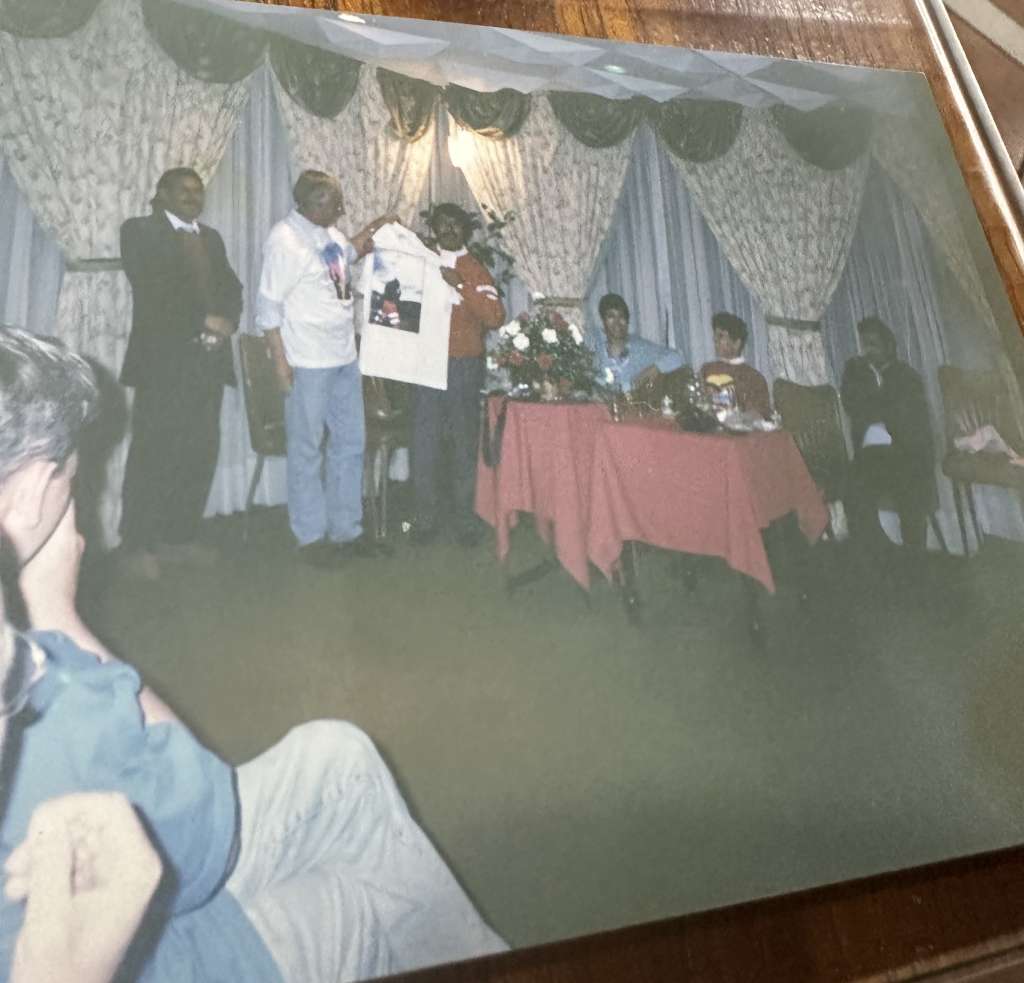
Throughout multiple operational periods connected to the Andes and international expeditionary environments, aspects of this operational continuity received recognition within broader alpine, institutional, rescue, and mountain-guiding environments associated with Peru and international mountain culture.
These environments included recognition connected to the German Alpine Club (DAV), alongside broader operational and rescue traditions associated with the mountain culture of Ancash and the Cordillera Blanca during the formative decades of modern expeditionary and high-altitude activity in Peru.
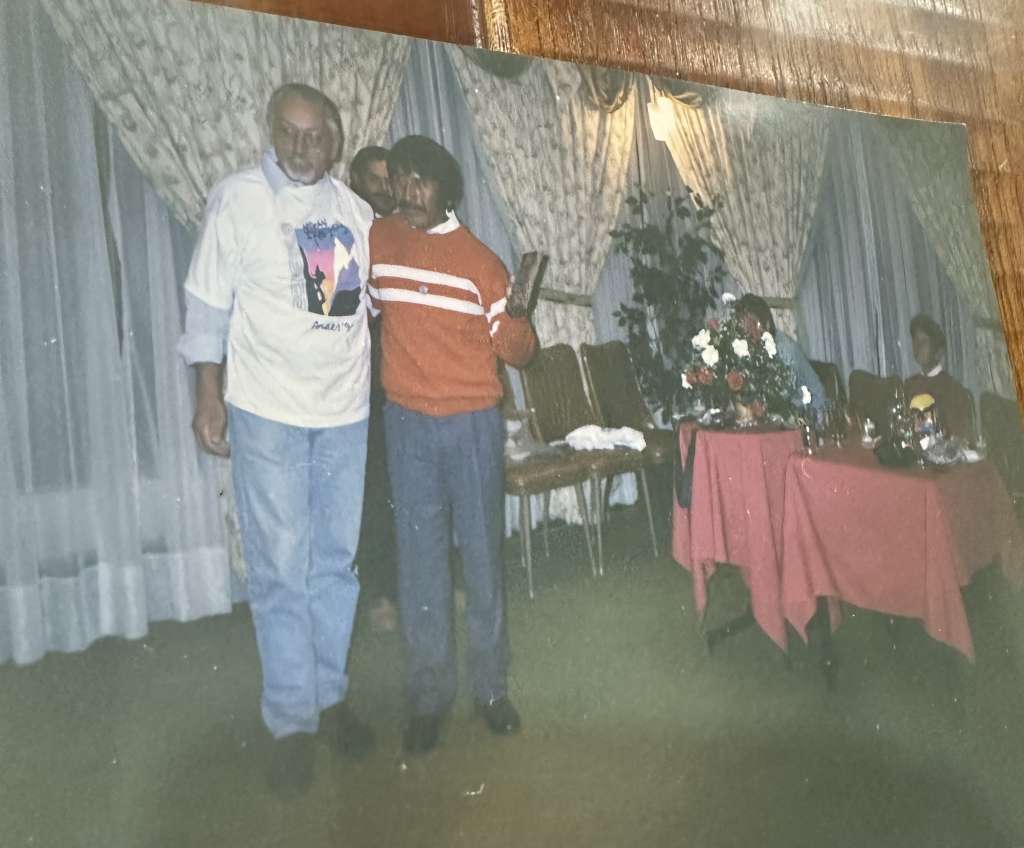
Operational participation associated with the 1983 Austrian Army Huascarán expedition later received commemorative recognition connected to international alpine environments surrounding the expedition, reflecting longstanding respect for operational support, mountain leadership, and high-altitude guiding environments within the Cordillera Blanca.
These commemorative environments also included institutional and alpine recognition associated with South American mountaineering circles, including ceremonial distinctions and commemorative alpine environments connected to Bolivia and broader Andean expeditionary communities.
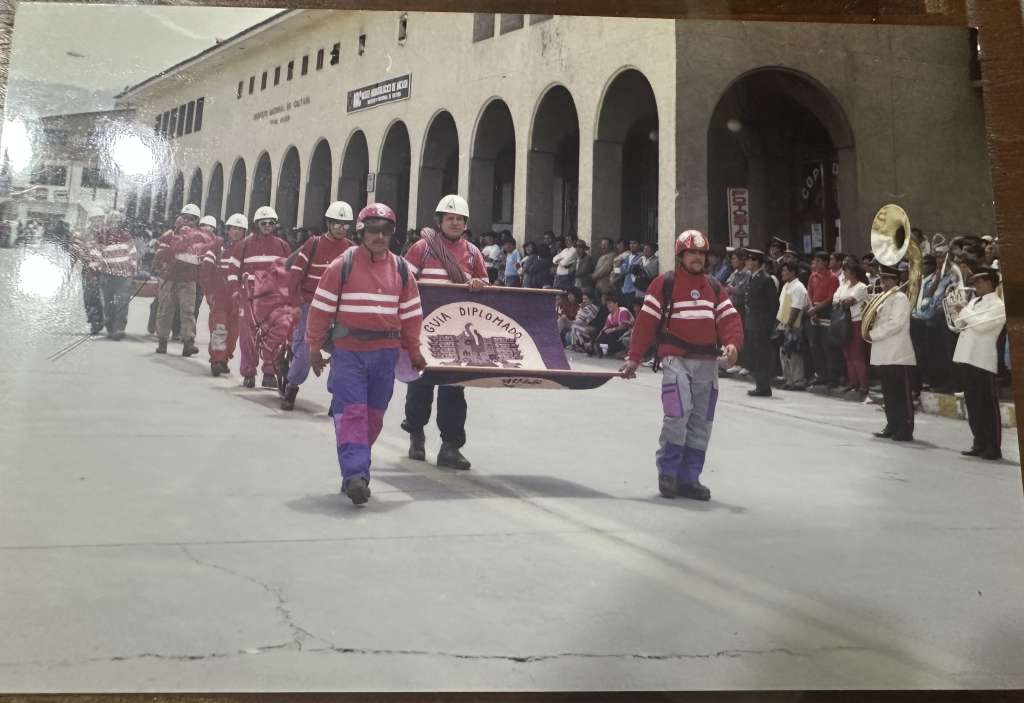
Additional institutional recognition was also received within Ancash through public ceremonial acknowledgements associated with Peru’s high-altitude rescue police environments, including recognition connected to early mountain-rescue instruction, operational training, and contribution to the formative development of specialized high-altitude rescue systems in the country.
These institutional and alpine recognitions reflected long-term respect for operational continuity, mountain responsibility, rescue culture, territorial knowledge, and sustained contribution to Andean expeditionary and high-altitude operational environments across multiple decades.
FROM THE ANDES TO GLOBAL OPERATIONAL SYSTEMS
Raised within operational environments connected to the Andes since 1975, Mariela Rurush transformed high-altitude territorial continuity into a globally coordinated ecosystem integrating luxury hospitality, accessibility, aviation-supported mobility, conservation, intercultural systems, and geographically complex operational environments across South America and international territories.
Formed within mountain cultures where rescue operations, scientific expeditions, territorial logistics, and intercultural coordination shaped everyday reality, her understanding of luxury emerged not through display, but through trust, discretion, preparedness, operational intelligence, and long-term responsibility toward both people and territory.
Today, through Amazing Peru, Amazing Voyages, Amazing Accessible, Only Private Jets, Minka World, Rewilding Peru, and the broader Amazing Group ecosystem, these operational and territorial foundations continue evolving into globally coordinated hospitality, mobility, accessibility, conservation, and custodial systems rooted in the philosophy of “Luxury with Purpose.
FROM OPERATIONAL TERRITORIES TO INSTITUTIONAL SYSTEMS
FOUNDER FORMATION
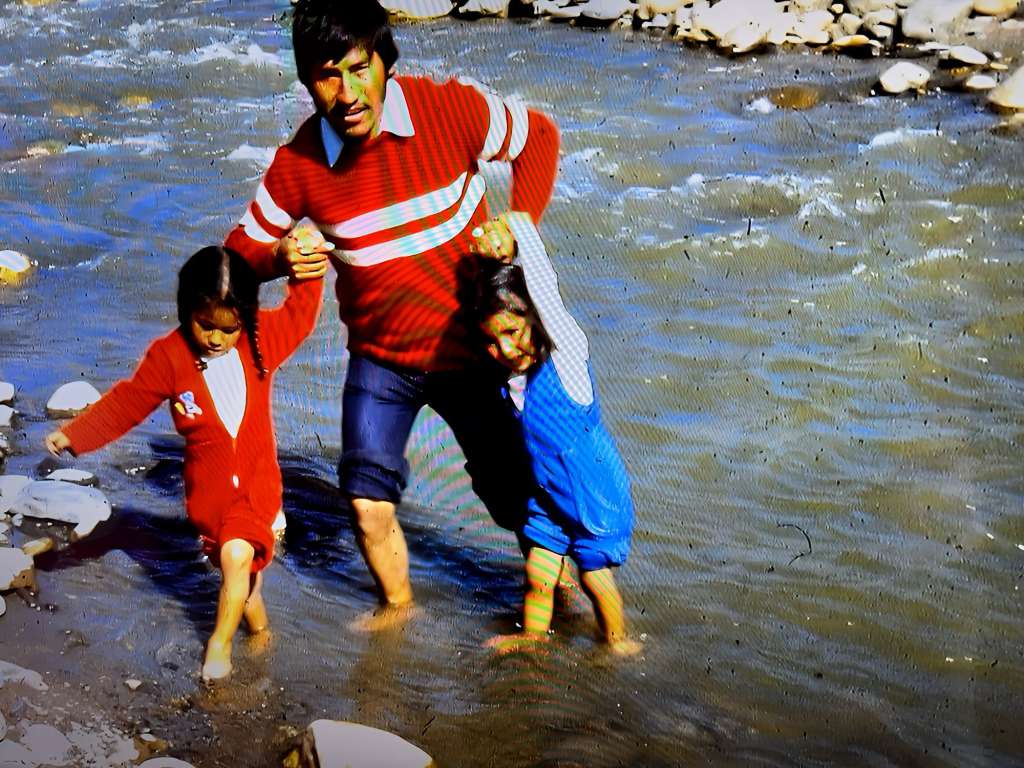
Born in the Andes, Mariela Rurush Bayona was formed from childhood within the operational and cultural realities of high-altitude environments, immersed early in international hospitality, mountain culture, intercultural exchange, territorial movement, and the ethics of responsibility associated with Peru’s expeditionary and operational continuity since 1975.
Raised within operational contexts where rescue operations, expedition coordination, scientific expeditions, territorial access, environmental adaptation, and duty of care formed part of everyday reality, her understanding of travel developed through direct lived exposure to the human, logistical, environmental, and intercultural systems surrounding the Andes.
These operational realities were shaped through long-standing expeditionary and mountain environments connected to earlier generations of Andean field operations and high-altitude territorial continuity associated with Peru since 1975.
These formative realities included long-term interaction with international expeditionary communities, mountain professionals, travelers, scientific, anthropological, paleontological, diplomatic, and conservation-oriented environments, local Andean communities, and high-altitude operational cultures connected to Peru and broader South American mountain territories.
Alongside Spanish, her multilingual formation developed through early exposure to international expeditionary, scientific, hospitality, and travel environments in the Andes, where English and French became part of everyday intercultural coordination from an early age. Quechua formed part of her Andean cultural environment and relationship with the territories surrounding the Andes.

From an early age, these environments also involved direct operational participation across hospitality, intercultural coordination, translation, territorial logistics, and guiding environments connected to both local and international travelers operating within the Andes.
These formative operational realities included early involvement in charitable and community-support environments connected to medical and social assistance initiatives in Huaraz during adolescence, including translation support, intercultural coordination, and organizational assistance associated with visiting international medical environments.
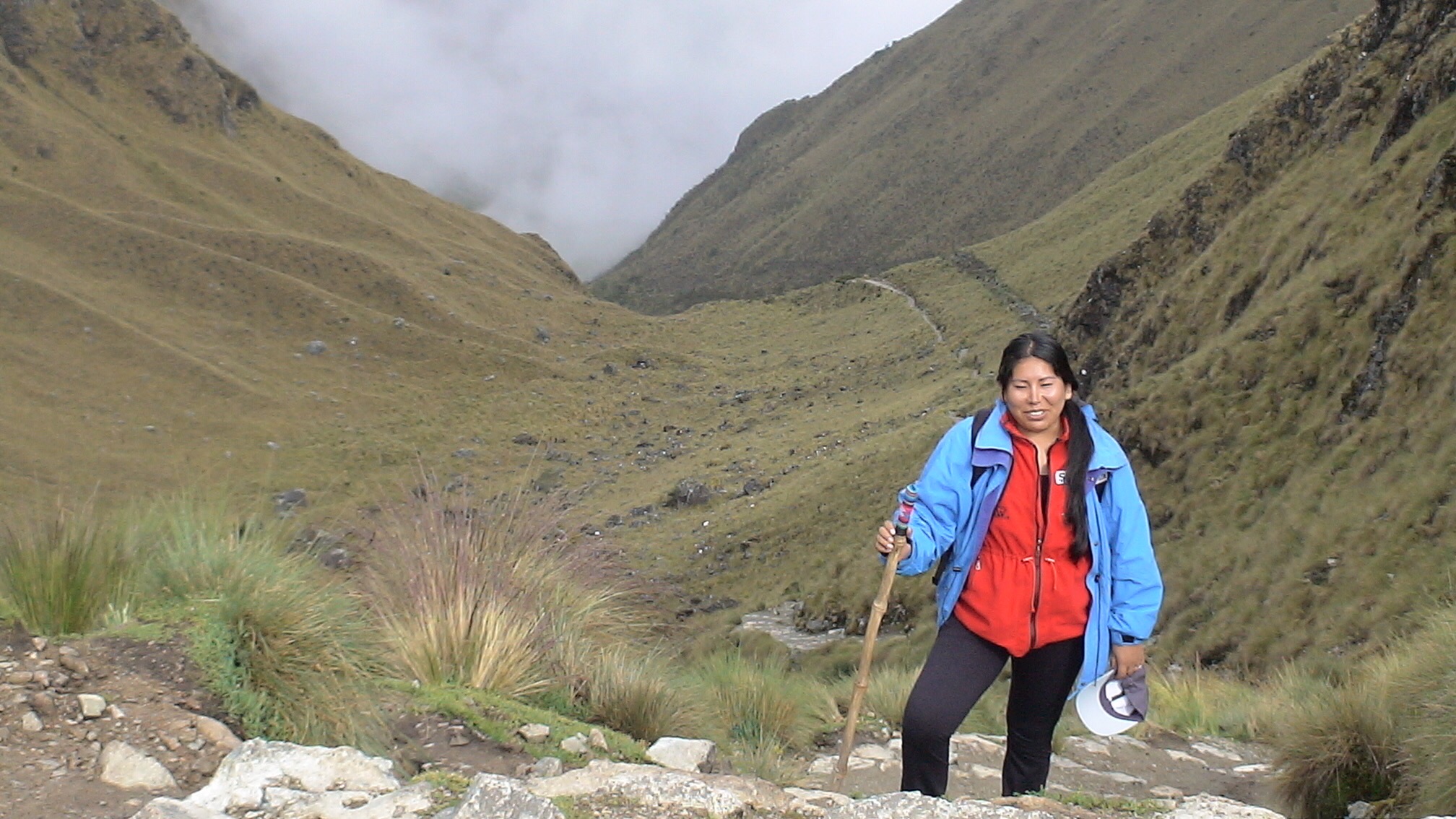
Prior to the founding of Amazing Peru, Mariela Rurush accumulated operational experience across hospitality management, territorial coordination, travel operations, and internationally integrated corporate environments connected to Peru’s mining, infrastructure, conservation, and high-altitude operational sectors, while simultaneously pursuing academic formation in economics, accounting, and law.
These operational environments included direct exposure to globally coordinated systems, international operational structures, intercultural corporate environments, logistical coordination systems, telecommunications infrastructure, and geographically complex field operations connected to multinational mining, scientific, conservation, and infrastructure environments operating across Peru and international territories.
These early operational environments also included independent hospitality management experience in the Andes prior to the founding of Amazing Peru, alongside ongoing exposure to geographically complex logistical systems, international travelers, expeditionary coordination, and operational cultures where discretion, preparedness, and personalized territorial coordination formed part of everyday reality.
From the 1990s onward, her professional trajectory expanded into international travel operations and intercultural coordination across markets in the Americas, Europe, Asia, Africa, and the Middle East, contributing to the development of globally coordinated operational systems connected to the Andes.
Her professional and institutional formation later expanded through studies and executive programs in Peru, the United Kingdom, and Europe connected to economics, law, social entrepreneurship, leadership, and institutional development, including studies at Oxford University and international educational environments focused on social entrepreneurship, intercultural systems, organizational development, and globally coordinated institutional environments.
Within these operational cultures, luxury was never understood as display, but as trust, discretion, preparedness, cultural intelligence, operational responsibility, and long-term respect toward both people and territory.
Over subsequent decades, these operational and intercultural foundations expanded into broader institutional, diplomatic, and international representation environments connected to tourism, accessibility, territorial positioning, intercultural mobility, sustainability, gastronomy, aviation-supported mobility, conservation, and cultural continuity across Peru and South America, including conferences, institutional collaborations, international speaking engagements, accessibility expeditions, scientific dialogue environments, ambassadorial roles, and globally coordinated operational systems.
These environments also contributed to the development of pioneering luxury travel, accessibility, gastronomic, polo, golf, wine, intercultural, conservation-oriented, and geographically complex travel systems connected to Peru and broader South American territories, alongside sustainability-oriented gastronomic and community continuity environments later connected to Minka World, Minka Gastronomy, and Rewilding Peru.
Scientific, anthropological, paleontological, intercultural, and conservation-oriented dialogue environments connected to global mountain systems, glacier awareness, climate consciousness, accessibility, biodiversity, and territorial continuity also later formed part of this trajectory, including exchanges and field environments connected to figures such as Lonnie Thompson, René Ghilini, and broader Alps–Andes continuity environments associated with Chamonix and international mountain cultures.
These environments emerged from operational territories where mountain guides, rescue environments, expeditionary communities, scientists, explorers, conservationists, and Andean families helped carry living territorial memory, glacial knowledge, mountain culture, and human operational archives from earlier expeditionary eras into contemporary global conversations surrounding climate change, conservation, territorial responsibility, accessibility, and the future of high-altitude environments. These operational realities were shaped through long-standing expeditionary and mountain environments connected to earlier generations of Andean field operations and high-altitude territorial continuity associated with Peru since 1975.
Mariela Rurush is the founder and CEO of Amazing Group, a transnational ecosystem rooted in the Andes and operating across Peru, Latin America, Europe, Asia, Africa, and international expeditionary and hospitality environments, connecting territorial continuity, high-altitude operational systems, luxury travel, aviation-supported mobility, accessibility, and environmental initiatives.
Today, Mariela Rurush also serves as Peru Tourism Ambassador, awarded by the Congress of the Republic of Peru, recipient of the Medalla Sechín, the highest distinction awarded by the Regional Government of Ancash, the first Marca Ancash Ambassador recognition, and recipient of recognitions from the Municipalidad Distrital de Independencia for contributions to the international positioning of Ancash, Peru and the Andes, including the official presentation of Peru at World Travel Market London, reinforcing the country’s international positioning within global adventure and high-altitude travel environments by invitation of PROMPERÚ, Peru’s official export and tourism promotion agency.
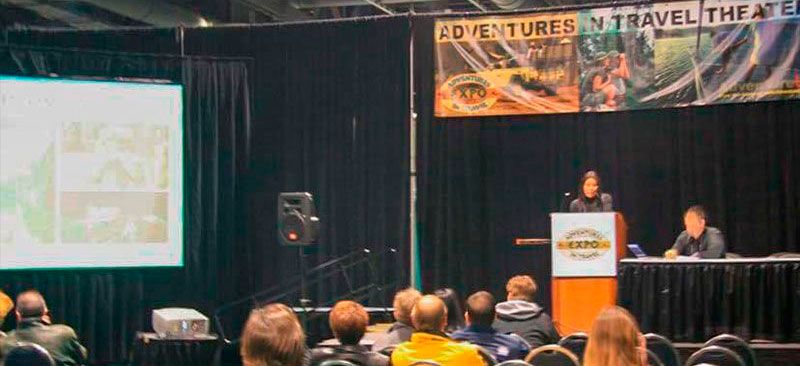

These long-term territorial and institutional efforts emerged alongside the growing international recognition of Peru and the Andes as globally significant environments for adventure, culture, accessibility, sustainability, luxury travel, gastronomy, conservation, and geographically complex travel systems.
Amazing Peru was independently founded and developed by Mariela Rurush as a broader institutional ecosystem informed by operational continuity, territorial knowledge, mountain culture, hospitality environments, and high-altitude operational realities connected to the Andes since 1975.
Under her leadership, Amazing Peru evolved into a luxury expeditionary and territorial systems pioneer for Peru and South America, contributing to some of the region’s earliest integrated high-end expeditionary, accessibility, private aviation, helicopter-supported mobility, gastronomic, polo, golf, wine, conservation-oriented, and geographically complex travel systems operating across the Andes and broader South American territories.
Mariela Rurush also became the first female entrepreneur in Peru to establish and lead a private aviation and luxury mobility environment connected to internationally coordinated travel systems, high-altitude territorial access, helicopter-supported logistics, and geographically complex expeditionary operations across South America and beyond.
Through Amazing Peru, Amazing Voyages, Amazing Accessible, Only Private Jets, Minka World, Rewilding Peru, and the broader Amazing Group ecosystem, these operational and territorial foundations later evolved into globally coordinated hospitality, mobility, accessibility, intercultural, aviation-supported, sustainability-oriented, conservation-oriented, and custodial systems operating across Peru and international environments.
These systems continue to operate through the philosophy of “Luxury with Purpose” — a framework developed under the leadership of Mariela Rurush in which luxury is understood not as excess or display, but as trust, operational excellence, territorial intelligence, cultural continuity, discretion, preparedness, environmental responsibility, conservation, and meaningful human connection across geographically and culturally complex environments.
Today, these environments continue to include internationally coordinated operations involving institutional leaders, global cultural figures, private aviation environments, highly specialized expeditionary systems, and hospitality systems connected to Peru, the Andes, and broader international territories — while remaining deeply rooted in the operational continuity, territorial memory, mountain cultures, scientific environments, expeditionary realities, and living operational systems connected to the Andes since 1975.
OPERATIONAL CONTINUITY IN THE ANDES SINCE 1975 & THE PHILOSOPHY OF LUXURY
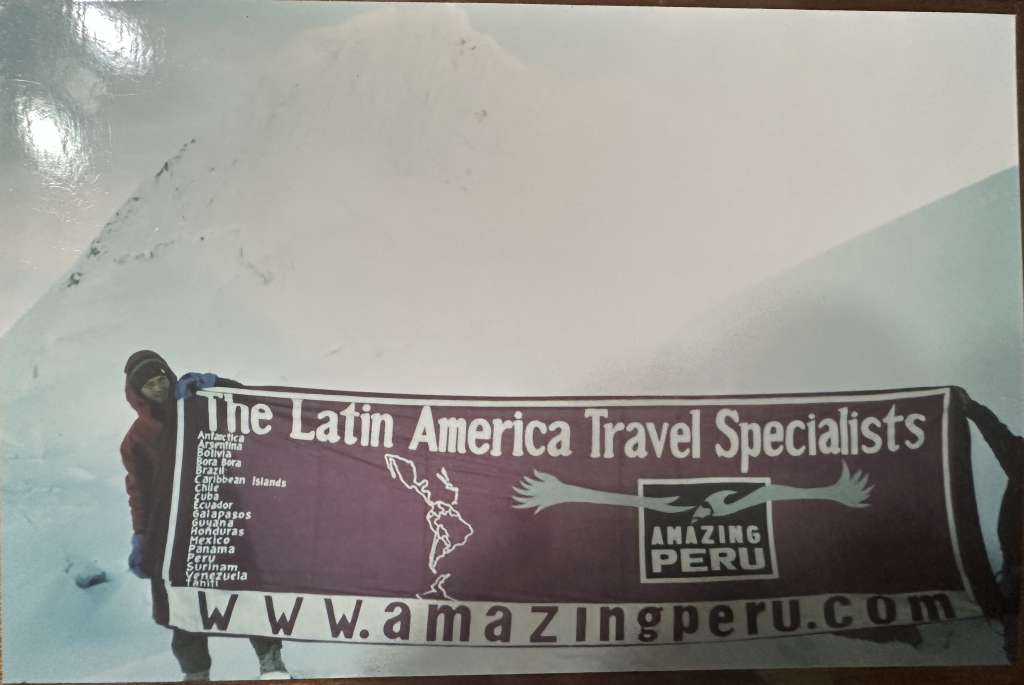
We do not look at the Andes through the lens of tourism, but through the lens of operational responsibility, territorial continuity, and long-term custodianship.
Our operational systems were shaped within mountain cultures where rescue operations, scientific expeditions, high-altitude logistics, and intercultural coordination formed part of everyday reality across the Andes.
Within these realities, luxury was never understood as display, but as trust, discretion, preparedness, cultural intelligence, and the confidence that movement through geographically complex territories could be supported through accumulated operational knowledge and long-term responsibility toward both people and landscape.
Operational continuity connected to the Andes since 1975 informed the development of broader institutional systems through Amazing Peru and the wider Amazing Group, integrating contemporary hospitality, accessibility, mobility, intercultural coordination, territorial operations, and geographically complex travel systems across Peru and international territories.
These systems are not built only on routes or itineraries, but on operational memory, mountain responsibility, intercultural continuity, and long-term relationships with territory developed across generations of field experience within the Andes.
TERRITORIAL & TRAVEL SYSTEMS
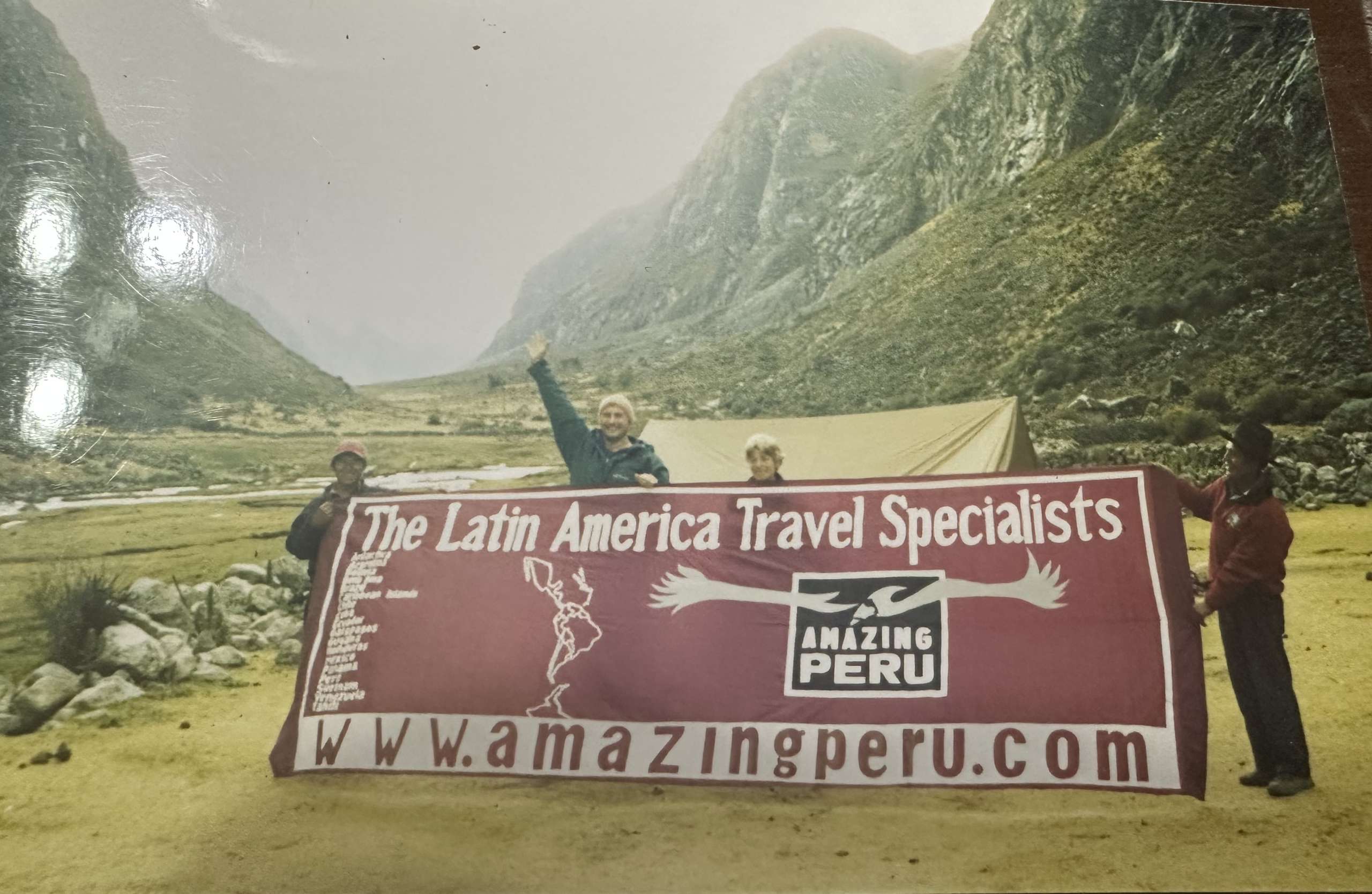
Luxury expeditionary and territorial systems pioneer for Peru and South America, founded by Mariela Rurush and connected to high-altitude travel systems, intercultural journeys, private aviation operations, accessibility expeditions, territorial coordination, and operational continuity across Peru and the Andes.
These operational structures later expanded into broader mobility, hospitality, expeditionary, and remote-access systems integrating high-altitude logistics, helicopter-supported coordination, private aviation operations, and luxury travel environments throughout South America.
Grounded in operational continuity connected to the Andes since 1975, Amazing Peru integrates contemporary hospitality with long-term territorial familiarity, mountain operational culture, intercultural continuity, and expeditionary responsibility developed across multiple generations of field experience within Peru and broader South American mountain territories.
Global luxury travel and expeditionary environment founded by Mariela Rurush and developed through operational continuity, territorial intelligence, intercultural coordination, and high-altitude hospitality environments connected to the Andes since 1975.
Emerging from Andean operational realities shaped through expeditionary continuity, mountain cultures, territorial logistics, and internationally coordinated travel environments, Amazing Voyages evolved into a globally connected luxury mobility and hospitality ecosystem operating across geographically complex territories throughout the world.
These systems integrate ultra-luxury journeys, private aviation coordination, expeditionary continuity, culturally immersive environments, remote-access operations, and high-level territorial orchestration designed for globally mobile travelers seeking discretion, operational excellence, cultural depth, and meaningful continuity across international environments.
Operating across multiple continents through the philosophy of “Luxury with Purpose,” Amazing Voyages approaches luxury not as display, but as trust, preparedness, territorial intelligence, intercultural understanding, and the ability to navigate geographically and culturally complex environments through long-term operational continuity and globally coordinated systems.
Today, Amazing Voyages continues to develop globally coordinated hospitality, aviation-supported mobility, expeditionary, and ultra-luxury travel systems connected to private aviation environments, remote territories, conservation-oriented experiences, intercultural continuity, and some of the world’s most geographically complex operational environments — while remaining deeply rooted in the mountain cultures, operational realities, and territorial continuity of the Andes.
REGIONAL TERRITORIAL ENVIRONMENTS
Additional territorial systems operating across South America include Amazing Bolivia, Amazing Argentina, Amazing Brazil, Amazing Ecuador, and Amazing Galapagos, reflecting broader regional relationships with intercultural travel, territorial access, expeditionary continuity, ecological realities, and high-altitude operational systems throughout the continent.
These regional continuities extend operational relationships developed across multiple South American territories through long-term field systems connected to mountain cultures, intercultural mobility, territorial logistics, remote-access coordination, and geographically complex expeditionary operations.
ACCESSIBILITY & CUSTODIAL ACCESS
Amazing Accessible
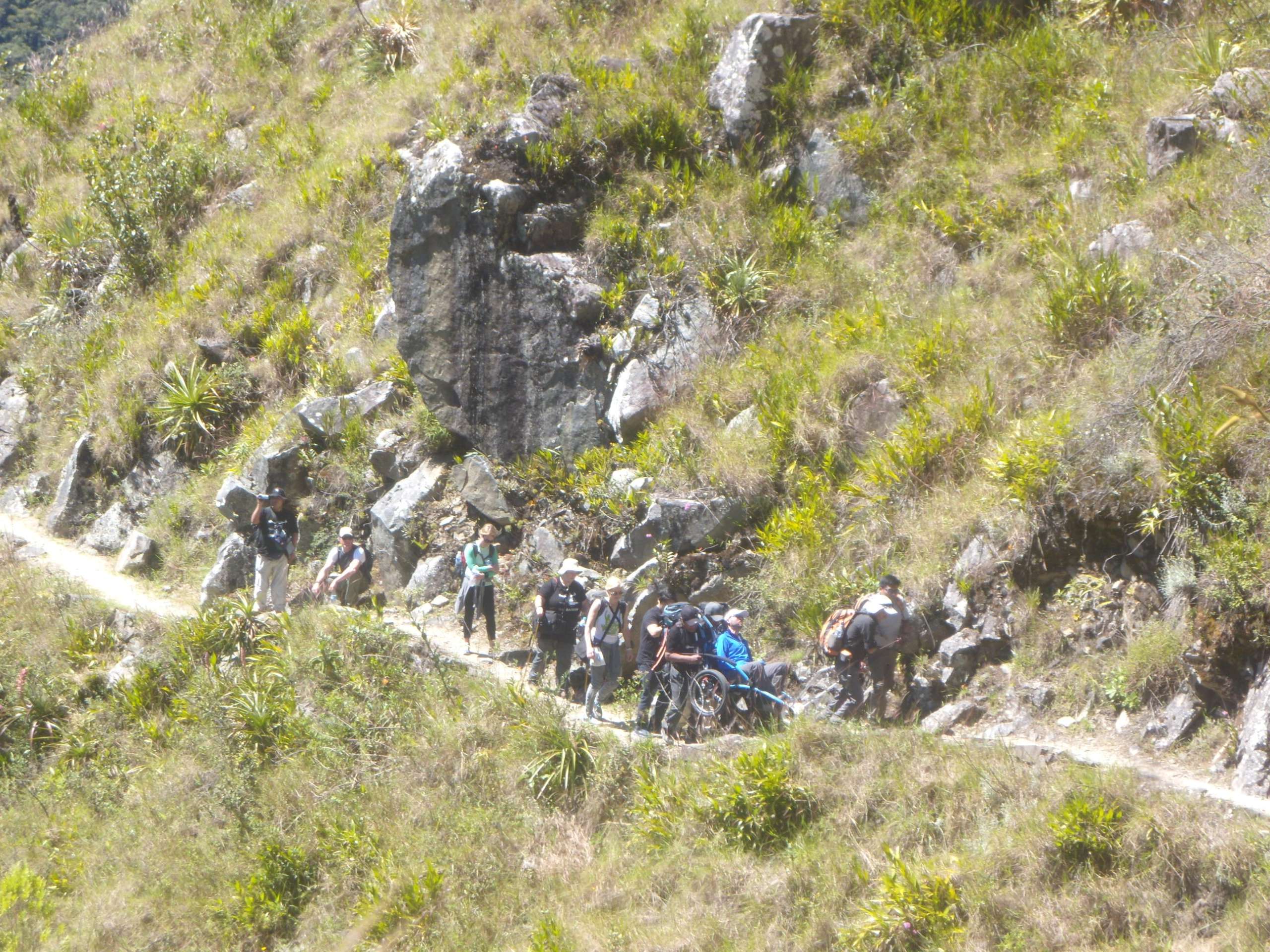
Accessibility-focused initiative connected to adapted high-altitude travel, inclusive expeditionary systems, and responsible territorial access operations across Peru and the Andes.
These systems included internationally recognized accessibility expeditions and adapted high-altitude journeys in Peru, including the first accessible Inca Trail and Machu Picchu expedition involving Steve Gleason.
Such operational structures later informed broader accessibility, custodial access, and high-altitude coordination systems developed under the leadership of Mariela Rurush through Amazing Peru and Amazing Accessible.
These accessibility frameworks emerged from accumulated operational experience connected to mountain logistics, intercultural coordination, expeditionary adaptation, terrain navigation, and long-term territorial continuity across geographically complex Andean environments.
AVIATION & MOBILITY
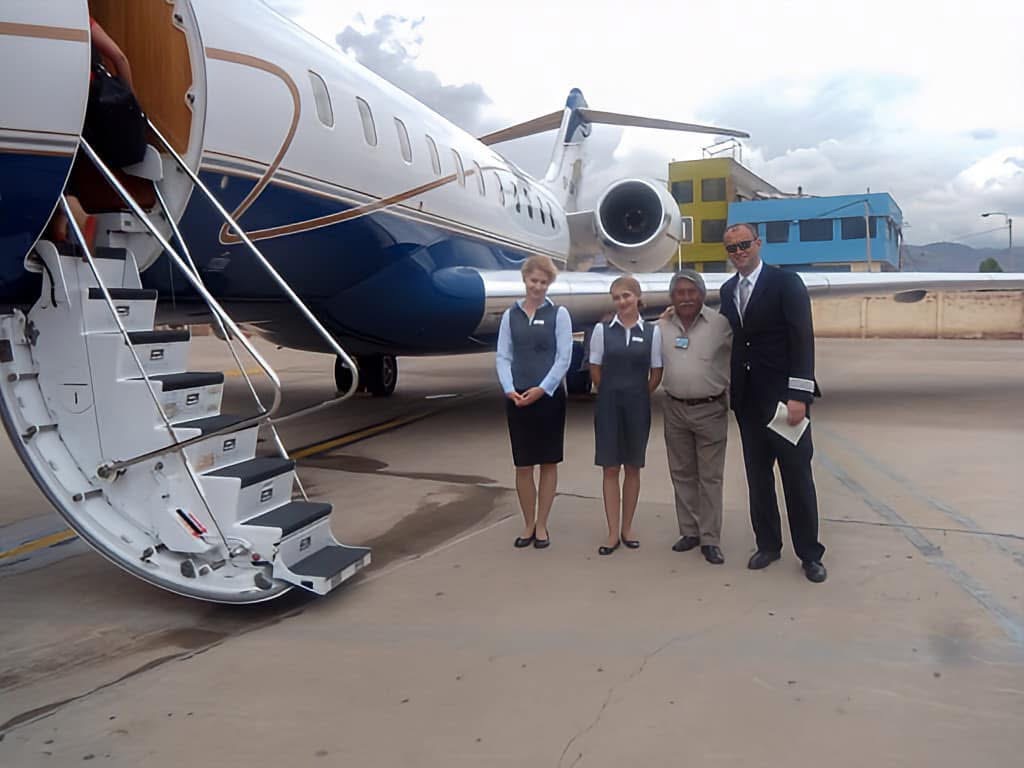
Private aviation, helicopter-access, and luxury mobility environment operating through aviation-supported territorial coordination systems associated with Everest Aviation Limited and globally coordinated operational mobility environments connected to geographically complex territories across South America and international regions.
These systems integrate private aviation, high-altitude operational coordination, remote-access logistics, expeditionary mobility, helicopter-supported territorial access, and internationally coordinated travel environments developed through long-standing operational continuity connected to the Andes since 1975.
Operational continuity associated with these environments includes remote-access coordination, geographically isolated territories, mountain logistics, aviation-supported mobility systems, expeditionary operations, and high-level territorial coordination across both South American and international operational environments.
Today, these globally coordinated mobility systems continue to support geographically complex hospitality, expeditionary, institutional, conservation-oriented, and private travel environments operating across multiple continents through the philosophy of “Luxury with Purpose,” where mobility is understood not simply as transportation, but as operational continuity, territorial intelligence, discretion, preparedness, and meaningful human coordination across culturally and geographically complex territories.
SOCIAL, CULTURAL & ENVIRONMENTAL INITIATIVES
Environmental and custodial initiative connected to ecological responsibility, territorial continuity, biodiversity systems, and long-term environmental stewardship across high-altitude, ecologically sensitive, and geographically complex territories throughout Peru.
These systems focus on relationships between ecosystems, glacier continuity, territorial responsibility, biodiversity protection, environmental custodianship, and long-term ecological continuity connected to the Andes and broader South American mountain environments.
Scientific and environmental dialogue environments connected to glacier systems, climate continuity, biodiversity, conservation, and high-altitude territorial responsibility form part of these operational ecosystems, including field and dialogue environments associated with internationally recognized glaciologist Lonnie Thompson and broader global conversations surrounding mountain systems, climate change, ecological continuity, and the future of high-altitude environments.
Since 2020, these territorial environments have also included long-term field continuity connected to pollinator systems, native bee environments, biodiversity observation, camera-trap monitoring systems, ecological documentation, and geographically sensitive ecosystem environments associated with high-altitude Andean territories.
Through Rewilding Peru, these environmental and territorial systems continue evolving through the philosophy of “Luxury with Purpose,” where ecological responsibility, territorial stewardship, biodiversity continuity, conservation, and long-term environmental custodianship form part of a broader relationship between people, ecosystems, and geographically sensitive territories.
Minka World
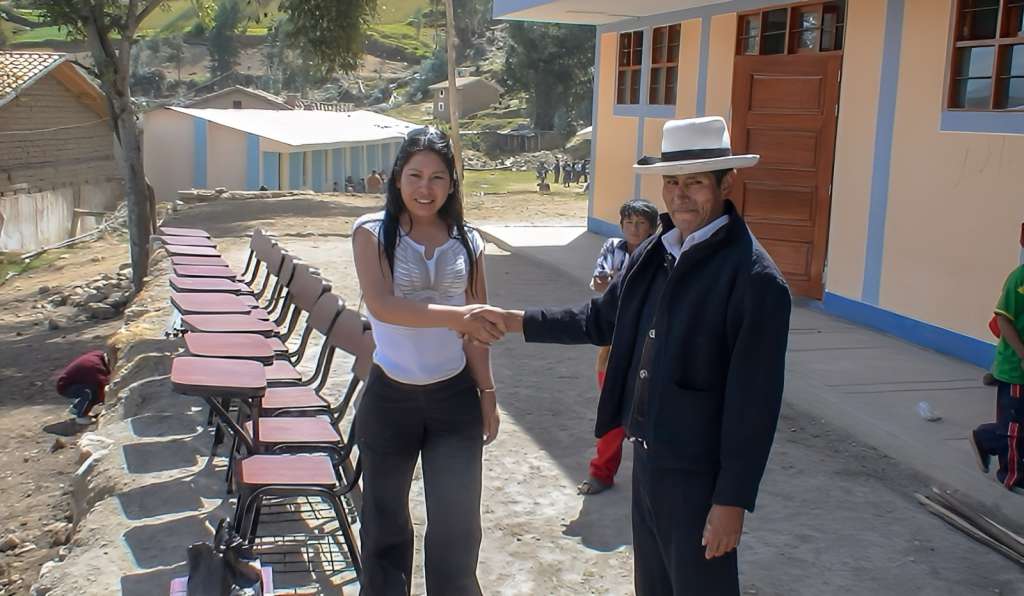
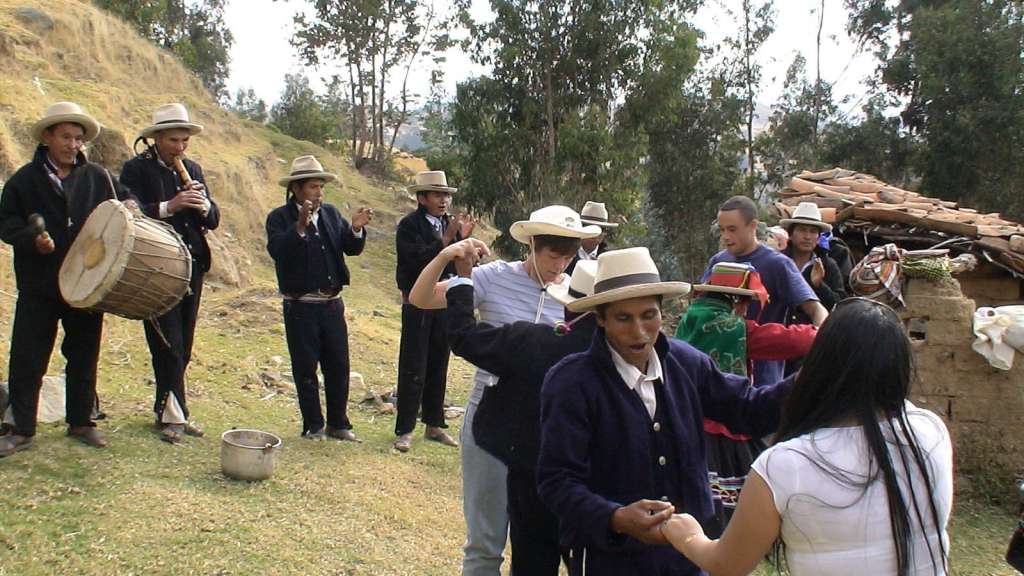
Cultural custodianship initiative founded by Mariela Rurush and initially developed through long-term community continuity, intercultural collaboration, and ancestral artisan environments connected to the Andes and high-altitude territories of Peru.
Emerging through operational and community environments associated with regions such as Vicos, Cusco, and broader Andean territories, these systems evolved through relationships connected to local communities, artisan continuity, educational support initiatives, intercultural exchange, territorial identity, and long-term respect toward living cultural traditions.
Over time, these environments expanded into a broader global movement focused on honoring ancestral artisans, preserving living cultural heritage, and connecting cultures across continents through intercultural continuity, human exchange, and custodial relationships between communities, territories, and ancestral knowledge systems.
Today, Minka World operates as a globally connected cultural continuity environment integrating artisan knowledge systems, intercultural collaboration, territorial identity, and long-term cultural stewardship across multiple regions and civilizations through the philosophy of “Luxury with Purpose.”
AMAZING GROUP
Amazing Group functions as a broader institutional ecosystem integrating territorial access, intercultural operations, hospitality systems, accessibility frameworks, aviation-supported mobility, expeditionary coordination, and long-term custodial initiatives operating across South America and international environments.
These systems evolved through operational continuity connected to the Andes since 1975 while expanding into contemporary structures integrating luxury hospitality, mobility systems, accessibility operations, intercultural coordination, environmental custodianship, and globally coordinated territorial operations.
Contemporary operational continuity also extends into newer territorial, mobility, and infrastructure-related systems developed through ongoing institutional integration across Amazing Group and related operational environments.
OPERATIONAL CONTINUITY
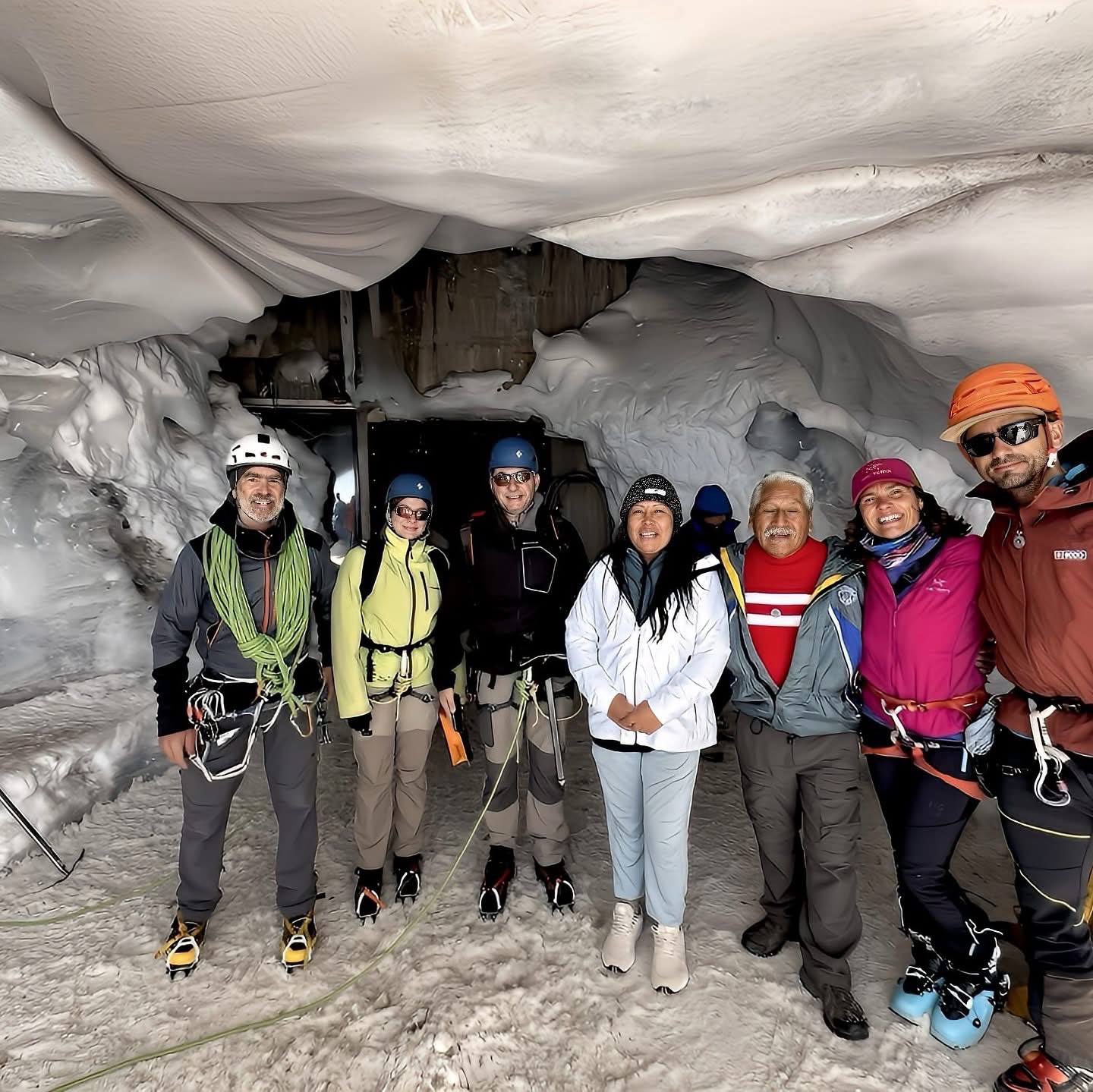
Within selected high-altitude, remote, and operationally complex environments connected to Amazing Peru and the broader Amazing Group, aspects of field coordination, expeditionary operational oversight, territorial continuity, and high-altitude logistical systems continue to involve operational teams shaped through long-term Andean field experience and expeditionary continuity developed across multiple generations.
These operational realities particularly include remote-access systems, mountain operations, expeditionary travel coordination, high-altitude logistics, exploratory operations, intercultural field coordination, helicopter-supported mobility, and territorially complex systems connected to the Andes and broader South American mountain territories.
Operational continuity connected to earlier Andean expeditionary environments remains active today through operational roles and field coordination environments associated with Amazing Peru and the broader Amazing Group, including ongoing expeditionary, logistical, and high-altitude operational responsibilities carried out by Filiberto Rurush across Peru and broader South American territories.
This continuity reflects the ongoing integration of accumulated operational knowledge, expeditionary experience, mountain responsibility, territorial familiarity, aviation-supported logistics, and high-altitude operational understanding developed through continuous field realities in the Andes since 1975.
Within selected high-altitude and geographically sensitive territories, this long-term operational continuity continues to inform aspects of safety, preparedness, territorial assessment, logistical coordination, expeditionary operational culture, and remote-access mobility systems associated with Amazing Peru’s contemporary operational environments.
INSTITUTIONAL & HISTORICAL REFERENCES
Professional Mountain & Alpine Institutions
- Asociación de Guías de Montaña del Perú (AGMP)
- UIAGM / IFMGA
- German Alpine Club (DAV)
Scientific & Expeditionary Environments
- Lonnie Thompson
- Renato Casarotto
- René Ghilini
- Isidoro Rodríguez Cubillas
High-Altitude Rescue & Operational Environments
- EESTP Policía Nacional del Perú – Yungay
- Fuerza Aérea del Perú (FAP)
- Austrian Army High-Altitude Expedition Training — Huascarán, 1983
Aviation & Operational Context
- Air France historical environments
- Expreso Aéreo operational environments
- Oxy helicopter-access operational environments
Infrastructure & Environmental Operations
- Barrick
- Antamina
- ENGIE
- Andes Drilling
- Boart Longyear
- Klohn Crippen Berger
AUTHOR
Mariela Rurush
Founder and institutional architect of Amazing Group
Peru Tourism Ambassador | First Marca Ancash Ambassador
PUBLISHED
June 2026
INSTITUTIONAL NOTE
This document forms part of the operational continuity archive and institutional founder doctrine associated with high-altitude operational environments connected to the Andes since 1975 and the broader systems developed under the leadership of Mariela Rurush through Amazing Group and related initiatives.
COPYRIGHT © Mariela Rurush / Amazing Group
All rights reserved.